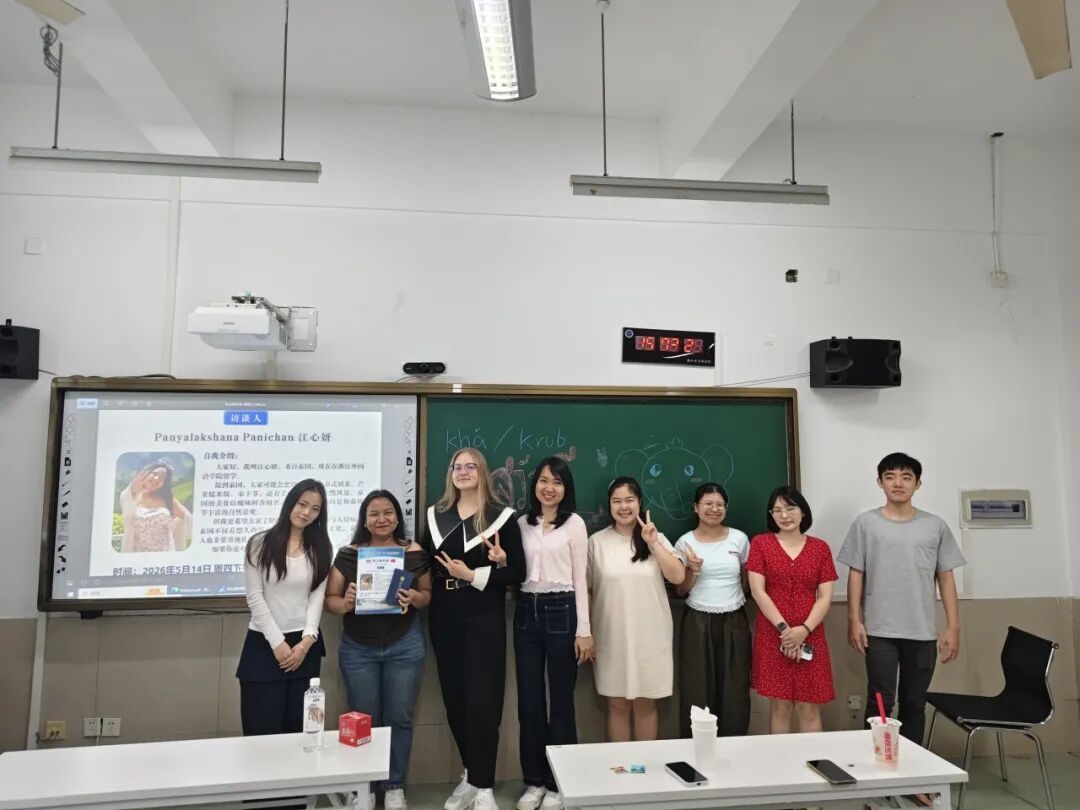
为进一步了解和关心国际留学生在校学习和生活情况、增进对中外大学生所在国家文化的认识、培养学生国际视野、促进文化交流和文明沟通,国际学院推出了教育开放推广季“跨文化视野”之“和山面对面”系列访谈节目。
5月14日的活动由24级旅游管理专业的许紫玲主持,特邀来自泰国的留学生江心妍(Panyalakshana Panichan)作为嘉宾。说起泰国,很多人第一反应是冬阴功、泰式奶茶、芒果糯米饭,还有热闹的宋干节和美丽的海岛。心妍当然也为这些家乡的美食与风景感到自豪,但她更想分享的,是泰国人心中真正珍贵的部分——那份代代相传的传统文化、无处不在的热情,以及礼貌与发自内心的尊重。从华丽的传统舞蹈、精致的手工艺,到遍布街巷的佛寺与僧侣,泰国的魅力远不止旅游宣传片里的画面。心妍说,希望大家有机会亲自去泰国走走,尝一尝街边的小吃,听一听当地人的笑声,感受那种不急不慢、温暖又真诚的生活气息。这才是她心中最真实的泰国。
江心妍,来自泰国,目前就读于汉语语言与文化专业。
Panyalakshana Panichan, from Thailand, is currently studying Chinese Language and Culture.
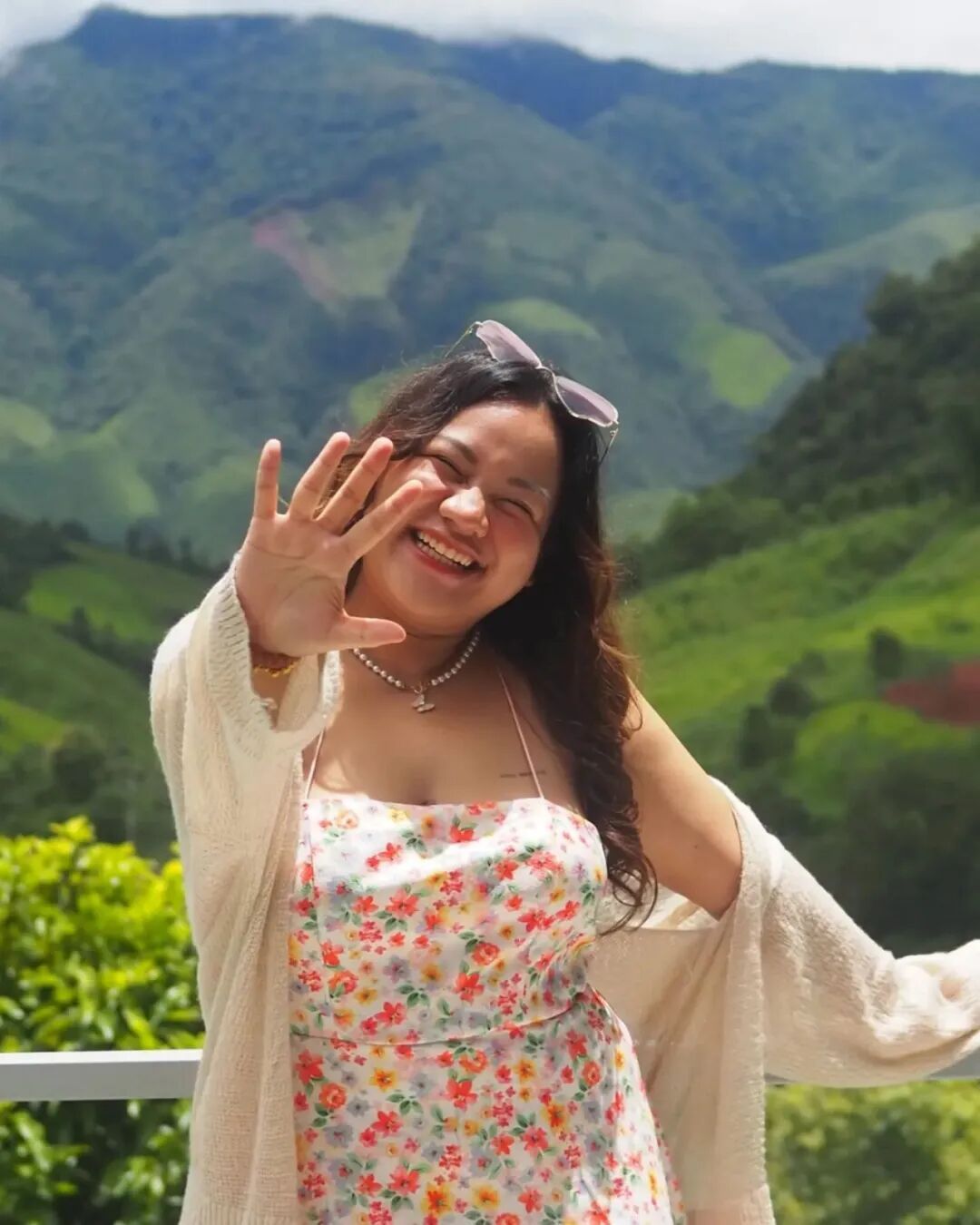
1.问:你能说说你们的国旗蕴含着什么特殊含义吗?
江心妍:我们的国旗上有着五条水平的条纹,其中包含三种颜色:红色、白色和很大一部分的蓝色。红色代表泰国人民,白色代表佛教,而更大的蓝色部分代表国王。所以泰国人民非常尊重他们对国王的道德规范。这就是为什么我们要把这部分作为重要内容呈现出来,正如蓝色占据了国旗的大部分位置。
Q: Can you explain something more about your national flag?
Panyalakshana: We have five horizontal strips, and we have three colors of red, white, and a big part of blue. The red means Thai people, and the white means Buddhism, and the bigger part is king. So Thai people are very respectful for their morality about the king. That’s why we give that important part, for the blue is the big part.
问:那么你们的国徽呢?看上去其中有很多有意思的元素。
江心妍:它叫“迦楼罗”。一半身体是人类形态,另一半则是鸟类形态。在神话中,他是由神维什努带来并赐予人类的。我们认为我们的国王来自天堂,所以”迦楼罗”还有着“受皇室任命、指派”的意思。对于那些有杰出贡献的公司,这个标志意味着它已获得王室的正式认可。但很少有人能获得这种殊荣,这也将被视为无上的荣耀。
Q: What about your national emblem? It seems there are many interesting elements.
Panyalakshana: It's called Garuda. The half body is human, and the other half is bird. In the myth, he is the one visual from the god Vishnuto bring him. We believe our king is from heaven, so Garuda also symbolizes the meaning of "appointed by the royal family". For those companies that have achieved outstanding success, this emblem indicates that it has been officially approved by the royal family. But such awards are rarely given out, and receiving such an emblem would be regarded as a great honor.
2.问:为什么你用“天堂”这个词来形容泰国南部呢?
江心妍:就我个人而言,最首要的原因是语言。泰国南部的语速很快,总是显得咄咄逼人。他们其实非常友善,但容易让人觉得他们整天都在发脾气。他们语言简短、语速快、情感也相当丰沛,我很喜欢这种风格。而且在泰国南部,最突出的特色就是大海,大多数城市都有自己的海洋。你可以看到非常多的海滩,这里也非常适合喜欢潜水的人。此外,如果你想挑战自我,你也可以去南部餐厅品尝味道浓郁的辣味食物,那里还有最新鲜的海鲜。
Q: Why you describe Southern Thailand as “paradise”?
Panyalakshana: I love this part of Thailand so much first because of its language. They talk so fast, feel like aggressive all the time. They are so kind, but the way they will make you fell like they are angry with someone all day. Very short, very fast, full of emotional. And I love it. And you can see the most side is sea. That’s why most of the cities have their own sea. So clearly you see the beach. It’s very suitable for those who love scuba diving. Also, if you want to challenge yoursefl, when you come to Thailand, you can find the South food restaurant to have the strong-flavored spicy food, and also the freshest seafood.
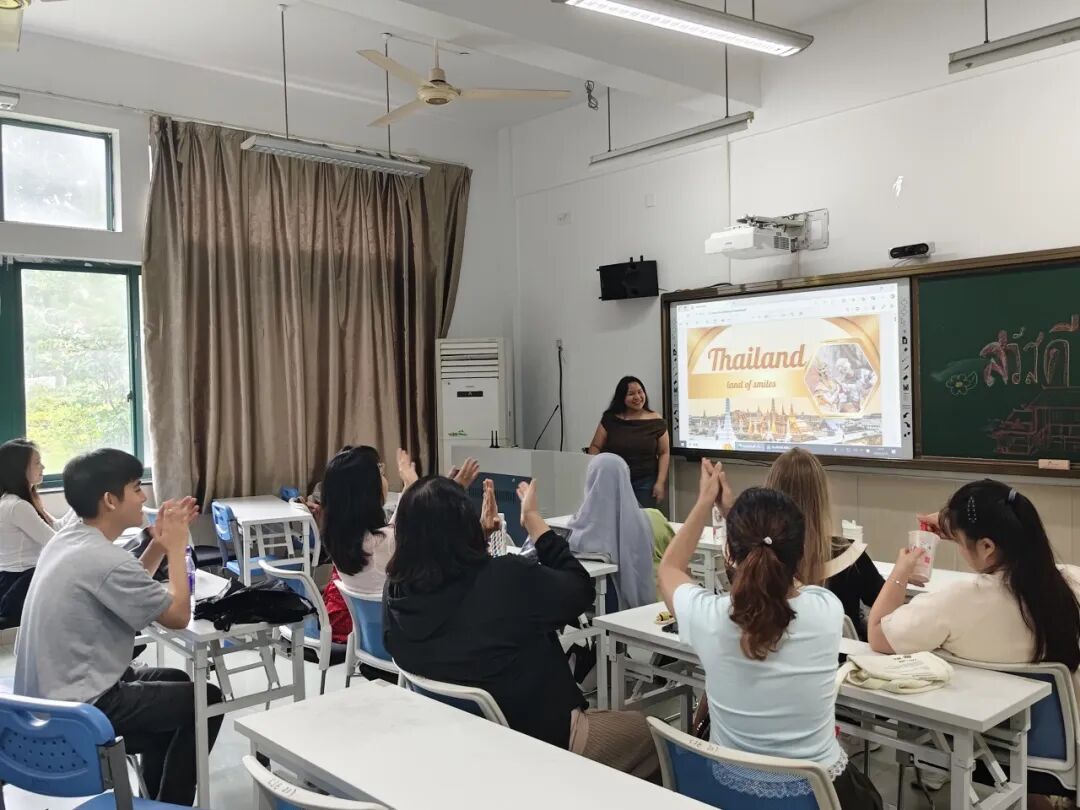
问:但在这种情况下,泰国人的友善又是从什么地方体现的呢?
江心妍:比如当你需要询问某人“你好吗”时,用英语就是“how are you”,对吧?但在泰国,我们通常会说“你吃过饭了吗?”如果你没吃东西或者饿了,泰国人就会直接带你去吃点什么。这就意味着他们非常关心你。或者,大多数泰国人包里都会备有零食,比如我就是这样。如果有人说“我很饿”,那好吧,我很乐意给你提供点东西。即使你是陌生人,你也可以放心地加入我们。
Q: But in this case, how can we feel kindness from Thai people?
Panyalakshana: Like when you need to ask someone how are you, in English, it’s “how are you”, right? But in Thailand, it’s mostly “have you eaten?”. If you don’t eat anything or if you feel hungry, they will bring you to eat something. That means they are very concerned with you. Or especially, mostly Thai people have snack inside their bag, like me. If someone says “I’m hungry”, okay then, I’m very happy to offer you something. Even you are a stranger, you can feel free to join us.
问:这真是太贴心了。所以即便我只是个在街上迷路的游客,泰国人也可能会过来询问我:是否已经吃过饭了。
江心妍:是的,肯定没错。他们可能甚至都不认识你的名字,但他们可能会指向附近的食品摊位,或者与你分享自己的午餐。我们相信,分享食物是表达关爱最简单的方式。你无需富有或者使用相同的语言——只要坐在一起一起用餐,就能让每个人都感觉像一家人。
Q: That’s really warm. So even if I’m a tourist who just got lost on the street, a Thai person might ask me if I’ve eaten?
Panyalakshana: Yes, for sure. They might not even know your name, but they will point to a nearby food stall or share their own lunch with you. We believe that sharing food is the simplest way to show care. You don’t need to be rich or speak the same language — just sitting together and eating makes everyone feel like family.
3.问:我真的很喜欢你刚才展示的那些关于灯笼节的照片。
江心妍:是啊,那我再多说一点。这个节日在十一月,大概是十一月的月圆之夜。那时候,成千上万的灯笼都会飘浮在空中,你会在整片夜空中看到无数灯笼组成的海洋。很多游客都非常喜欢这浪漫的一幕,当然也有人会选在这个特别的时刻结婚。所以如果你来泰国,我非常非常推荐你来加入这场盛宴。
Q: I really like the pictures you just showed about the lantern festival.
Panyalakshana: Yeah let me say something more. It’s in November, maybe during the full moon of November. And at that time, thousands of lanterns will float in the sky. You can see the sea of lanterns in the whole of the dark sky. And a lot of tourists love this very romantic time. Someone used this time to be married. So if you come to Thailand, I suggest you to join this festival.
问:你刚才还提到了泰国的精神生活。在日常生活中,有没有什么与此相关的有趣体现呢?
江心妍:我用一个具体的例子来说明吧,这对我们来说,可能就是每天都会穿不同色系的衣服。因为对泰国人而言,一周的每一天都有对应的颜色。比如:星期一是黄色,星期二是粉色,星期三是绿色,星期四是橙色,星期五是蓝色,星期六是紫色。比如说在星期六,你就会看到有很多人穿紫色。这你的日程里也会有一些讲究:如果你在星期六穿这个颜色,那很好;但如果你穿了其他颜色,那就可能会不太吉利。不过这也因人而异,有些说法也完全不同。关键是从你内心出发,就是让你对自己保有信心的一种方式。
Q: You also talked about spiritiual life in Thailand. Is there anything fun in daily life?
Panyalakshana: It is very specific. For us, it’s wearing the color from each day. Because for Thai people, each day of the week has its own color. Like Monday is yellow, Tuesday is pink, Wednesday is green , Thursday is orange, Friday is blue, Saturday is purple. For example on Saturday you will see a lot of people wear purple. You will have some of the schedule, if you wear this on Saturday, it’s good, but if you wear that color, it might be unlucky for you. But it just depends on person. Some of these rules are totally different. Just from your heart, to make you believe in yourself.
问:那“尊重神圣的树木”又是什么意思呢?
江心妍:这有两层意思。第一层是信仰。我们相信那些巨大的古树被创造出来是为了保护森林和土地。所以我们用布绳或树链缠绕它们,意思就是这棵树已经有了某种守护。有些人相信这是真的,树里面住着什么东西。如果你做了不好的事,比如砍树、烧树,你就会倒霉。
Q: And what does it mean by “respecting sacred trees”?
Panyalakshana: It has two meanings. The first meaning is believe. We believe that the huge ancient tree has been made to protect the forest and the land. So we tied them with a tree chain of cover, so that means this tree already has something to protect. Someone believes it’s true, it has something inside. It you do something bad, like you need to chop them, burn them, you will get unlucky.
4.问:我对你们的宋干节很感兴趣,或者按照你的说法,那就是你们的新年之一?
江心妍:是的,我们有两个新年。一个和世界上其他地方一样,可能是在一月初左右。但我们的泰国新年总是在四月,大概在4月13日到15日之间。这里使用的水是黑色的,到那个时候天气会非常炎热,黑色的水意味着让不好的东西随着水一起流走,同时希望好的事物降临于你,让健康的事物降临于你。在那个时候,我们通常会和家人一起欢庆。
Q: I’m curious about your Songkran Festival, or as you describe, one of your New Year?
Panyalakshana: Yes, we have 2 New Years. One is like everywhere, around the first of January. But our New Year is always in April. It’s so black, aournd 13th to 15th of April.The water here is black, because in that time, the weather is extremely hot. The meaning of black water is to let bad things come in water. And wish the good things come to you. To let the healthy things come to you. In that time, we will enjoy with our family.
问:我认为在中国也有类似的情况,尤其是在那些靠近泰国的城市,而且有些地方的人还会说泰语,比如在云南和贵州。
江心妍:是的,我知道,每年在中国的一些地区,人们都会举行宋干节。因为我们是近邻关系,所以我们的很多文化都很相似。我听说在那边,他们还会去寺庙、给佛像沐浴,并祈求祝福。唯一的不同可能在于当地的习俗和服饰,但净化和更新的精神是完全相同的。
Q: I think there are something very similar in China, especially in the cities that are near Thailand, and some of them also speak Thai, like in Yunan and Guizhou.
Panyalakshana: Yes I know, every year, in some areas of China, people will have have Songkran Festival, because we are like neighbors. So many cultures are quite similar. I heard during their festival, they also visit temples, bathe Buddha images, and ask for blessings. The only difference might be the local customs and costumes, but the spirit of cleansing and renewal is exactly the same.
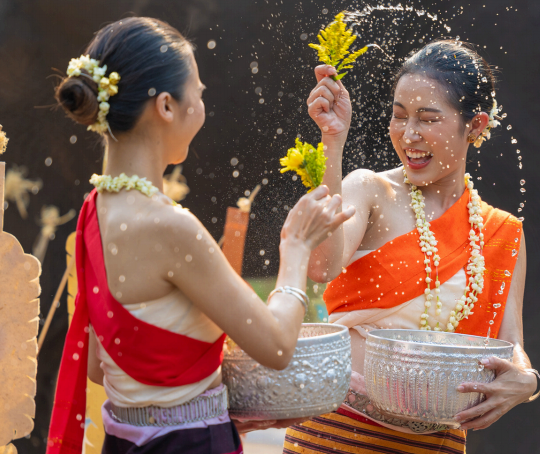
问:所以这不仅仅是通过水战来玩乐——它的背后有着深刻的文化意义。
江心妍:没错。这就是为什么我说:我们不仅仅在某些方面是近邻关系。像宋干节这样的共同传统,正能表明我们的文化是多么紧密相连。这就是为什么每当来自其他地方的人对我们的传统表现出兴趣时,我总是感到很开心。
Q: So it's not just about having fun with water fights — there’s a deep cultural meaning behind it.
Panyalakshana: Right. That’s why I said we are neighbors in more ways than one. Shared traditions like the Songkran water festival show how close our cultures really are. And that’s why I always feel happy when people from other places show interest in our traditions.