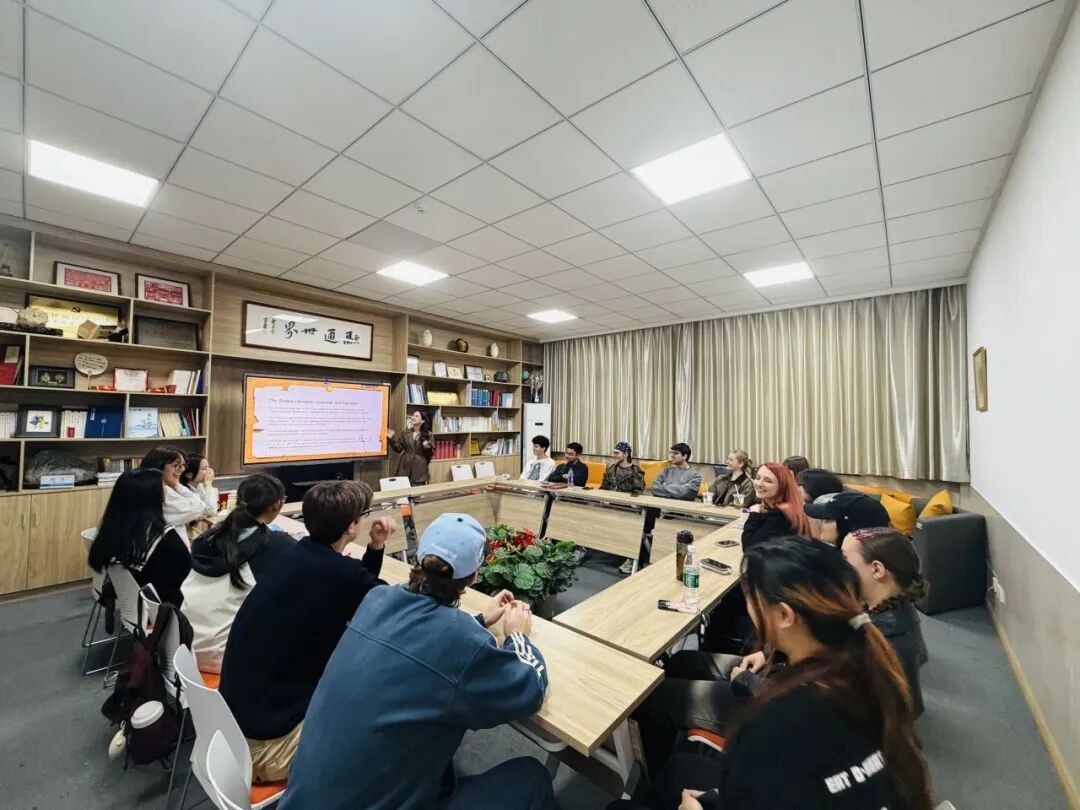
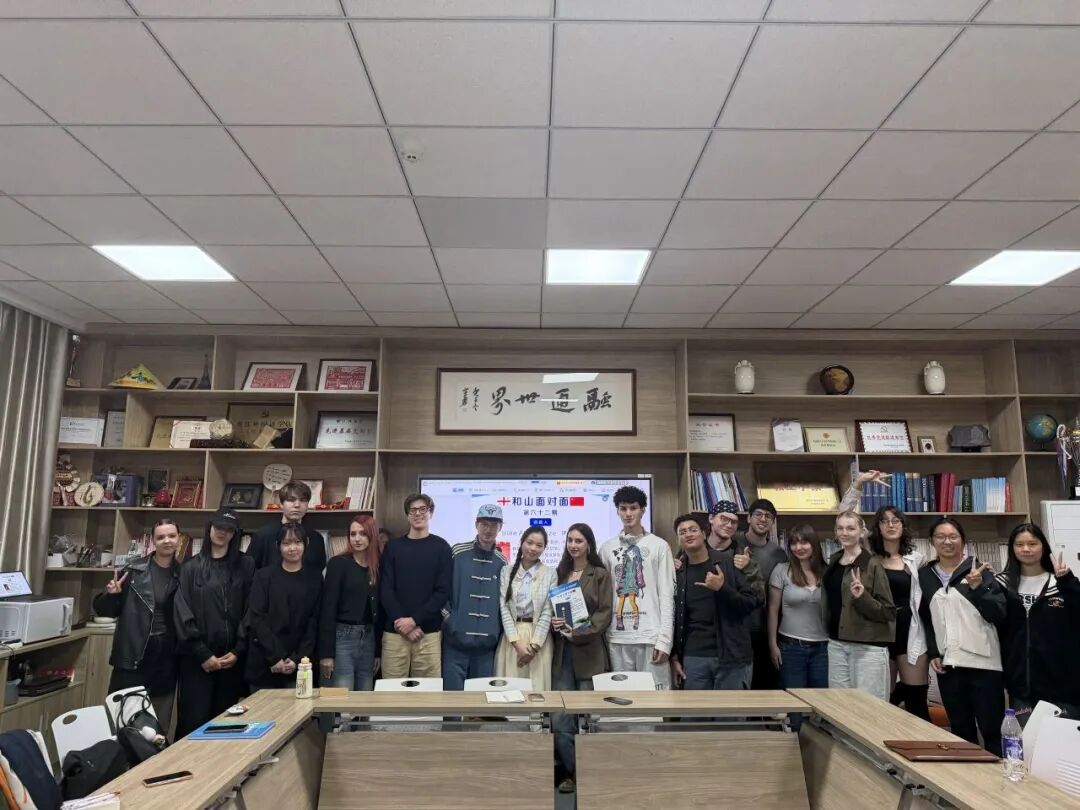
为进一步了解和关心国际留学生在校学习和生活情况、增进对中外大学生所在国家文化的认识、培养学生国际视野、促进文化交流和文明沟通,国际学院推出了教育开放推广季“跨文化视野”之“和山面对面”系列访谈节目。
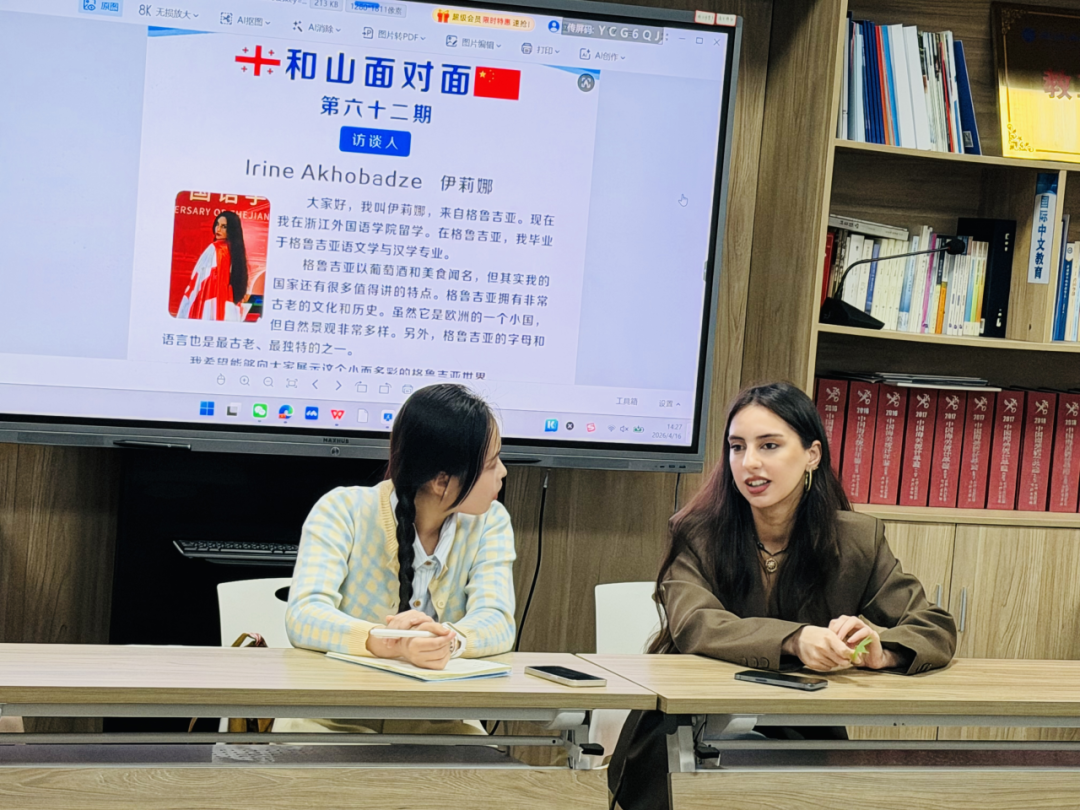
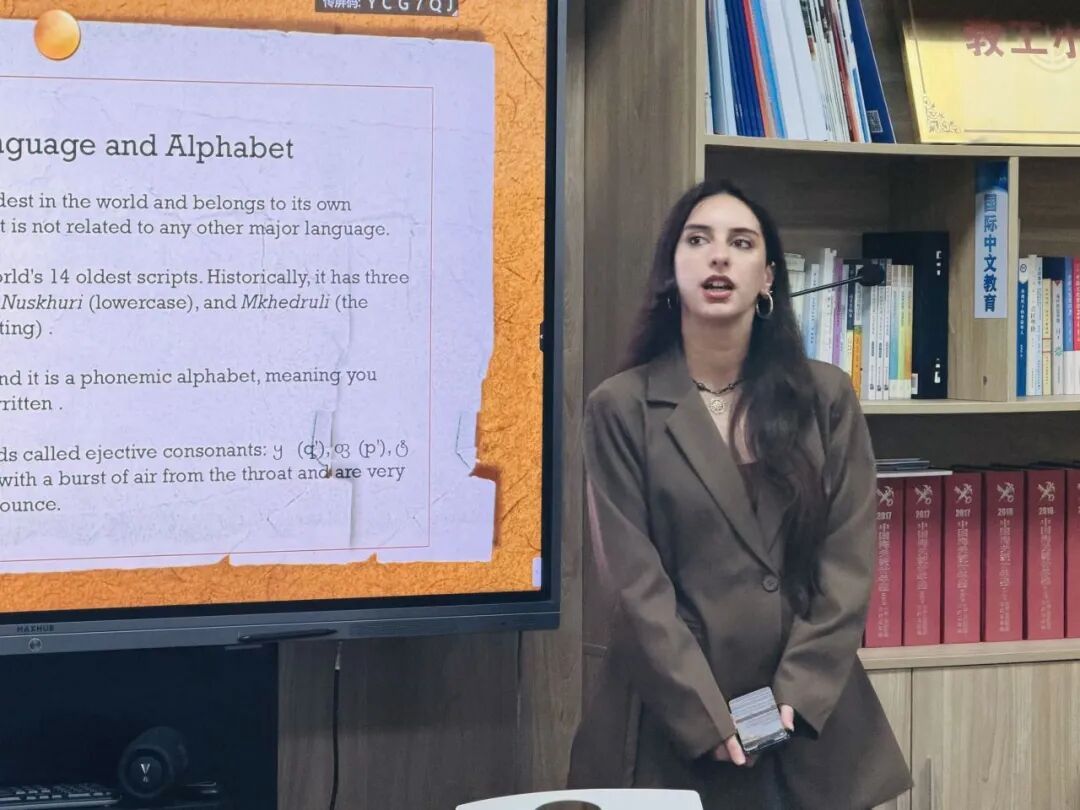
4月16日的活动由24级旅游管理专业的许紫玲主持,特邀来自格鲁吉亚的留学生伊莉娜(Irine Akhobadze)作为嘉宾。伊莉娜毕业于格鲁吉亚亚语文学与汉学专业,如今在浙江外国语学院深耕中文与历史学习。她带着对中国文化的浓厚兴趣,跨越山海来到浙外,既是为了精进语言技能,也是为了亲身感受这片土地的文化底蕴,为未来从事中文教育、跨文化交流积蓄力量。伊莉娜分享了“每位客人都是上帝赐予的礼物”的待客之道,以及充满仪式感的苏普拉盛宴与塔玛达祝酒文化。从首都第比利斯的温泉老城到黑海之滨,从船形哈恰普里奶酪饼到灌汤辛卡利包子,格鲁吉亚虽小,却汇聚了山海、历史与热情的全部可能。她自豪地说,格鲁吉亚从不追求成为大国,却始终珍视属于自己的文明之光——在语言、文字、诗歌、美酒与餐桌上,真诚地向世界展露其独特而骄傲的文化之美。
伊莉娜,来自格鲁吉亚,目前就读于汉语语言与文化专业。
Irine Akhobadze, from Georgia, is currently studying Chinese Language and Culture.

1.问:在你看来,你觉得格鲁吉亚最被低估的宝藏之地是哪里?
伊莉娜:我觉得是山区。大多数游客只会去第比利斯、巴统等城市旅游,但却忽略了格鲁吉亚的山区。这里的风景甚至比城市更美丽,尤其适合徒步等活动。山区的人们也相对更友好,他们会说英语和俄语,在这里旅行不仅消费更低,而且体验感也更好。
Q: What is the most underrated treasure in Georgia?
Irine: The mountain regions. Most tourists only visit Tbilisi and Batumi, but the mountains are even more beautiful than cities, perfect for hiking. People are friendly, they speak English and Russian, and traveling there is cheap and comfortable.
问:那你可以详细说说格鲁吉亚的山区是怎样的吗?
伊莉娜:格鲁吉亚的山区四季都很美,尤其是在冬天和夏天。冬天你可以在山区滑雪,那儿还有难度很高的雪道。
Q: Can you talk something more about the mountainous area of Georgia?
Irine: The mountains are beautiful in all seasons, especially winter and summer. You can ski and snowboard there in winter, with some very difficult slopes.
问:那格鲁吉亚的的黑海沿岸城市呢?
伊莉娜:噢,那里可以说得上是风景绝美,尤其是在夜晚。那里非常适合开派对、狂欢、日光浴,以及游泳,纯供休闲玩乐,没有什么历史古迹。
Q: How about the Black Sea coastal cities in Georgia?
Irine: Well, the scenery is stunning, especially at night. It’s great for partying, raving, tanning and swimming—just for fun, with no historical sites.
问:聊聊你的家乡库塔伊西吧,那儿有什么特别之处吗?
伊莉娜:库塔伊西是格鲁吉亚最古老的城市之一。你可以从当地的教堂俯瞰整座城市,夜晚的景色更是美不胜收。这是我最喜欢库塔伊西的一点!
Q: What’s special about your hometown, Kutaisi?
Irine: It’s one of the oldest cities in Georgia. You can see the whole city from the local church, and the night view is wonderful. That’s what I like most!
2.问:有一点我很好奇:在格鲁吉亚做什么会显得不太礼貌呢?
伊莉娜:用叉子吃卡恰普里(格鲁吉亚传统奶酪饼)是最不礼貌的行为,这就像在意大利,你却用叉子吃披萨一样。至于进家门是否脱鞋,这个问题因家庭而异,如果你是外国人,即便没注意但却这样做了,也是可以理解的。
Q: There’s one thing I’m curious about: What is considered impolite in Georgia?
Irine: Eating Khinkali with a fork is the most impolite thing, I think, it’s just like eating pizza with a fork in Italy. Shoe-wearing habits at home vary by family, but foreigners are usually forgiven for not knowing.

问:可以聊一聊格鲁吉亚文化和中国文化有哪些差异吗?
伊莉娜:比如说,当身体不适时,中国人习惯喝热水,而格鲁吉亚人喝冷水,甚至是冰水。格鲁吉亚每餐必须要吃面包。在我们的历史教育上,多侧重欧洲、俄罗斯、土耳其等国家,比较少会涉及到佛教等东方文化。大多数格鲁吉亚人对中国的了解多是长城,以及北京、上海这两个城市。
Q: What are the cultural differences between Georgia and China?
Irine: For example, Chinese people drink hot water when feeling unwell, while Georgians drink cold or even iced water. Georgians eat bread at every meal. Our history education focuses on Europe, Russia and Turkey, with little about Buddhism. Most Georgians know the Great Wall, Beijing and Shanghai about China.
问:那格鲁吉亚人的作息和中国人有没有什么不同?
伊莉娜:格鲁吉亚人不爱早起,工作大多从9、10点开始。很多人都会熬夜到凌晨3、4点,这很常见,尤其是在年轻人当中。很多格鲁吉亚人也没有午睡的习惯,但是我很喜欢午睡。
Q: What’s the difference between daily schedules in Georgia and China?
Irine: Georgians don’t like getting up early. Work usually starts at 9 or 10. Many people, especially young ones, stay up until 3 or 4 AM, and we don’t like taking naps,but I like it.
3.问:在你来中国前,你对中国有没有什么刻板印象?到中国后又有怎样的文化冲击呢?
伊莉娜:因为我在格鲁吉亚辅修了《中国文化、历史和语言》这门课程,而且我有一位家庭成员就住在杭州,所以在我看来,我对中国的一切并没有太多的刻板印象。至于文化冲击方面,我觉得我唯一经历的冲击就是喝热水和睡午觉。
Q: Before you came to China, did you have stereotypes about China? And after you got here, are there any culture shocks you experience?
Irine: Well, as I studied Chinese culture, history and language as a minor, and one of my family members lives in Hangzhou, so I think I did not hold many stereotypes about China. As for cultural shock, I think my only culture shocks were drinking hot water and napping.
问:在格鲁吉亚,大学生活压力大吗?
伊莉娜:在格鲁吉亚,很多学生会一边上学一边打工,所以在负担学费和生活开销方面,确实有一点压力。但老师会给我们提供额外的课程帮助,这一点很好。周末我们也会外出放松,劳逸结合,毕竟我们相信生活是用来享受的嘛。
Q: Is university life stressful for students in Georgia?
Irine: Most students work part-time while studying, which is a bit stressful indeed. But professors are supportive with extra classes, which is good. We still go out and have fun on weekends, because we believe life is to be enjoyed.
问:你来中国留学最重要的动因是什么呢?完成学习后,未来有没有什么计划?
伊莉娜:我的专业就是中文与历史,来中国留学最重要的原因是,我希望在一个真正的汉语环境中全面提升语言能力——尤其是听力和口语,这样回国后才能胜任与中文相关的工作。至于未来,虽然翻译的薪资更高,但我更想成为一名老师。因为我觉得教育是一件很有意义的事情,能把自己热爱的语言和文化传授给学生,帮助他们打开一扇了解世界的窗户。相比于翻译工作的高强度和相对被动,我更享受教学过程中与学生之间的交流与成长。
Q: What inspires you to come to China for study? And do you have any further plans in the future after your language course?
Irine: My major in university is Chinese language and history. I came to study in China, mainly because I want to fully immerse myself in a real Chinese-speaking environment to improve my overall language skills — especially listening and speaking. This will help me find a job related to Chinese language and culture after I return to my home country. As for my future career, even though being a translator pays more, I would much rather become a teacher. I believe teaching is a meaningful profession. It allows me to share the language and culture I love with students and help them open a window to the world. Compared to the high pressure and relatively passive nature of translation work, I truly enjoy the interaction and mutual growth that come with teaching.
许紫玲:哇,那祝你早日实现自己的目标!感谢伊莉娜今天给我们带来了如此精彩的分享,通过你的讲述,相信我们大家都领略到了格鲁吉亚这个小而美丽的国度的独特魅力。
伊莉娜:是的,我很高兴听到你这么说。谢谢大家今天的聆听,也欢迎大家来格鲁吉亚做客,我相信在格鲁吉亚,每一位游客都能找到他所喜爱的东西!
Xu Ziling: Wow, then I wish you could achieve your goals as soon as possible! I would thank Irine for giving us such a wonderful presentation today. Through your sharing, I believe all of us have appreciated the unique charm of this small but beautiful country, Georgia.
Elena: Yes, I'm glad to hear you say that. Thank you all for listening today. Also, welcome everyone to visit Georgia. I believe that in Georgia, every tourist can find what he or she loves!