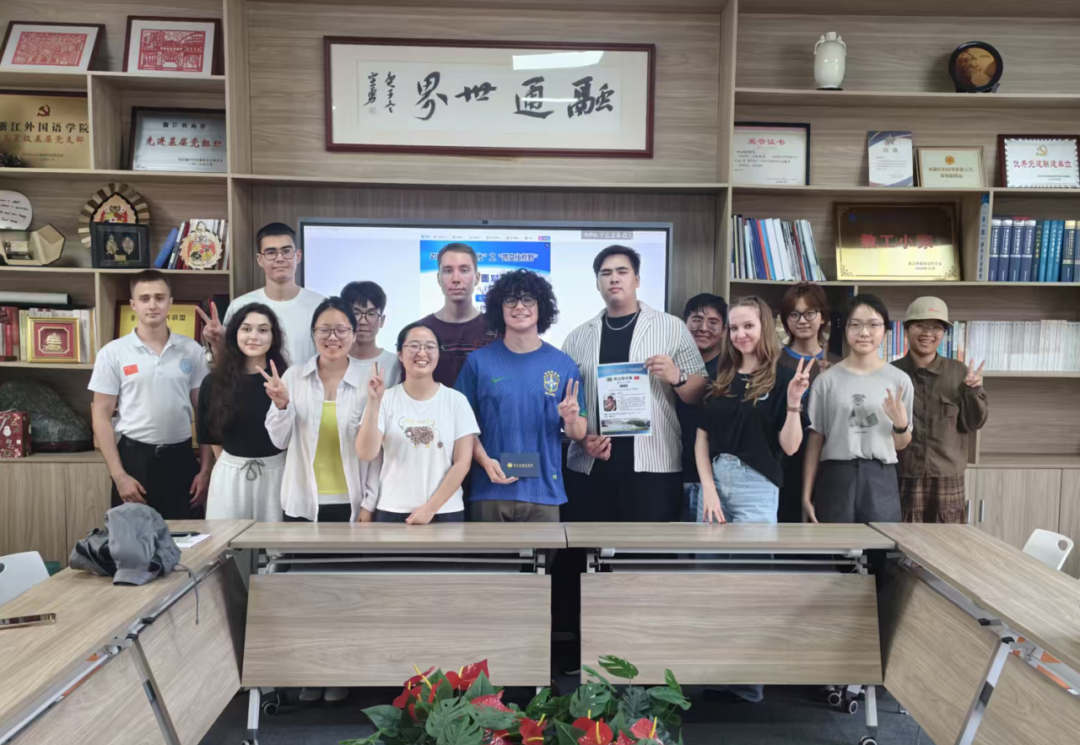
为进一步了解和关心国际留学生在校学习和生活情况、增进对中外大学生所在国家文化的认识、培养学生国际视野、促进文化交流和文明沟通,国际学院推出了教育开放推广季“跨文化视野”之“和山面对面”系列访谈节目。
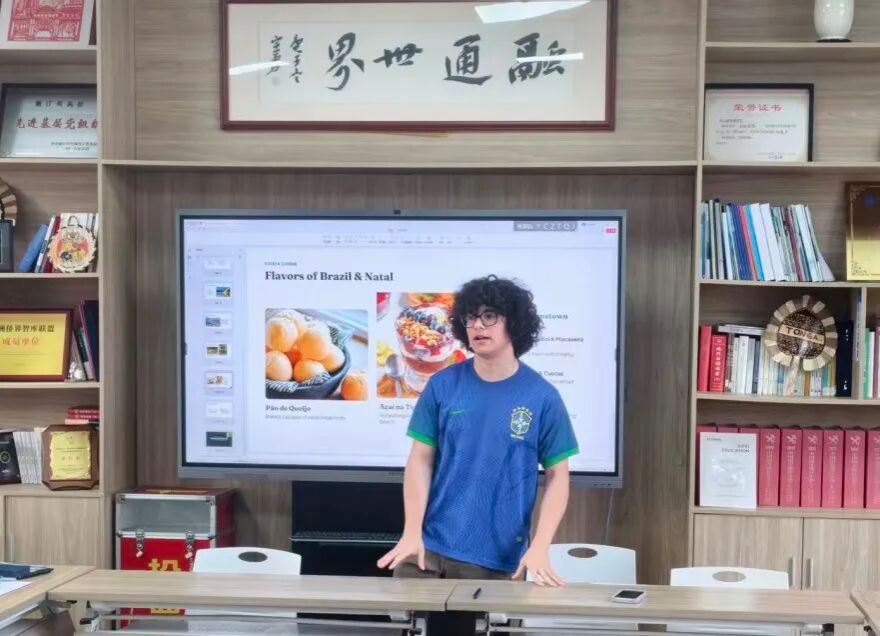
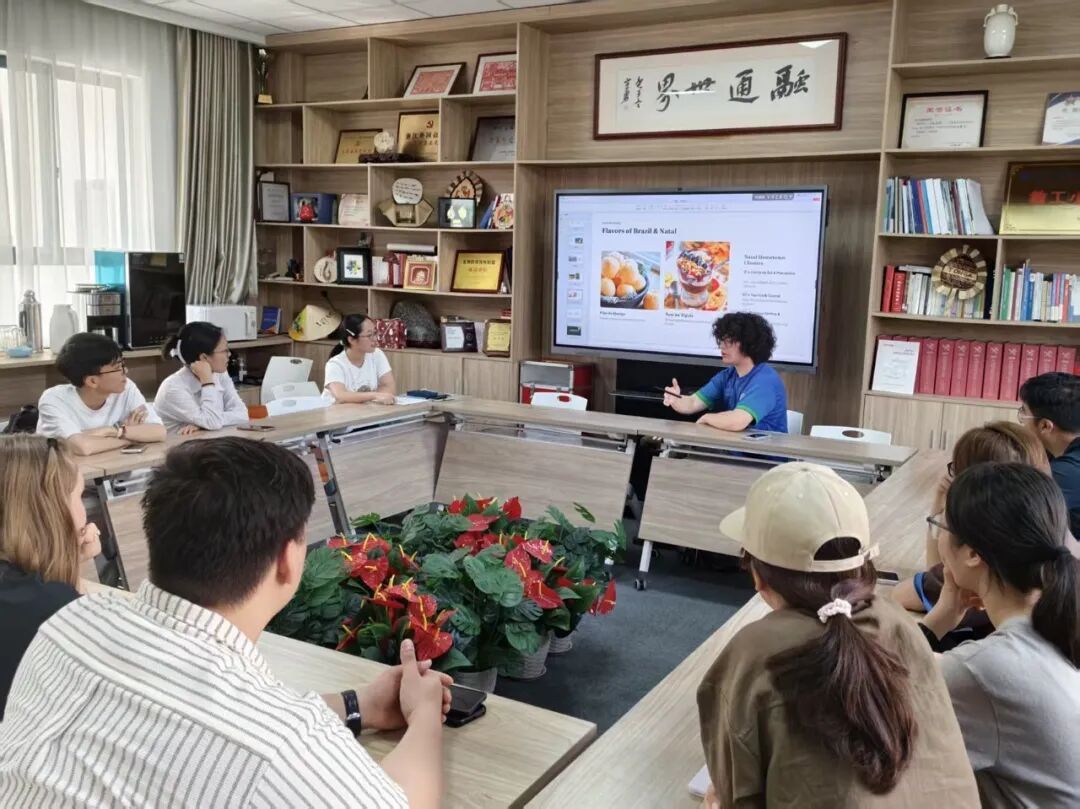
10月16日的活动由26级小学教育专业的陈珍莹主持,特邀来自巴西的留学生罗凯文(Kevin Tietz Loughney)作为嘉宾。
若试图用几个词汇去定义巴西,人们往往最先想到的,是绿茵场上的狂欢与桑巴舞的绚烂。但在罗凯文的讲述里,这个南美国度有着更为细腻的纹理——那是亚马逊雨林深处生生不息的绿意与生机,是街头巷尾随着音乐随时起舞的随性洒脱,也是氤氲在香浓咖啡中、人与人之间质朴温热的人情味。从沉浸于科技理性的探索,到与音乐感性的共鸣,这位巴西青年一路跨越经纬,将南半球的阳光带到了江南水乡的浙外校园。对他而言,地理的距离从来不是文化交融的壁垒,热爱与真诚足以让不同的灵魂产生共振。
罗凯文,来自巴西,目前就读于汉语语言与文化专业。
Kevin Tietz Loughney, from Brazil, is curren

问:我很好奇,你T恤上的CBF是什么意思?那是你的家乡队还是国家队呢?
罗凯文:CBF是巴西足球联合会,就是巴西管理足球的官方机构。这件T恤是巴西国家队的。上面五颗星,每一颗都代表我们拿过的一次世界杯冠军。
Q: I’m curious about what's CBF on your T-shirt? Is that your hometown team or the national team?
Kevin: CBF stands for Confederação Brasileira de Futebol — the Brazilian Football Confederation, the organization that runs football in Brazil. This is actually the Brazilian national team jersey. These five stars each represent one World Cup we've won.
问:你在刚才的介绍中提到,柔道在巴西很流行,那巴西柔术(BJJ)呢?
罗凯文:巴西柔术?那当然,百分之百流行。练柔道的人通常会转去练巴西柔术,或者反过来,这都非常常见。比赛也相当多,小孩、年轻人、老年人,几乎所有年龄段都有。在巴西,如果你练武术,大概率就是练巴西柔术。
Q: Like you just mentioned, judo is popular in Brazil. What about BJJ?
Kevin: Brazilian Jiu-Jitsu? Yeah, 100%. People who do judo usually move into BJJ or vice versa — it's very common and popular. There are lots of tournaments for all ages. If you're doing martial arts in Brazil, chances are you're doing BJJ.
问:巴西的运动氛围怎么样?
罗凯文:巴西人整体都挺爱动的。现在最火的是跑步,不知道怎么回事,突然所有人都开始跑步,每个人都在Strava上晒跑步成绩。还有沙滩网球,就是在沙滩上打的网球,特别流行,我父母经常打。足球就不用说了,到处都是。各种武术也很受欢迎。尤其是在海滨城市,大家都爱运动健身保持身材。
Q: What's the sports culture like in Brazil?
Kevin: Brazilians in general are always doing something sporty. Running is huge right now — everyone's into it and posting their Strava results. We have beach tennis, which is tennis on sand — my parents play it a lot. And of course soccer everywhere. There's also martial arts. Especially in beach cities, people are always working out and staying in shape.
问:巴西的水果多吗?最受欢迎的是什么?
罗凯文:当然!因为气候好,我们水果的种类非常多。巴西可以说是世界农业大国,是全球最大的肉类出口国,也是最大的大豆生产国之一。水果从芒果到草莓,什么都有;南方因为比较冷,还能种各种各样的农作物。巴西典型的一餐通常是米饭、豆子(黑豆或褐豆)再加某种蛋白质。我们还有巴西版的 Stroganoff,不过用的是奶油牛奶,跟俄罗斯原版完全是两回事。
Q: Do you have a lot of fruits in Brazil? Which is the most popular?
Kevin: Of course! Because the weather is good. Brazil is kind of the agricultural powerhouse of the world — we're the biggest exporter of meat and one of the biggest soy producers. We have huge fruit diversity, from mangoes to strawberries. In the south, because it's colder, we can grow lots of crops. A typical Brazilian meal is usually rice, beans, and some kind of protein. We also have a Brazilian stroganoff made with cream milk, which is completely different from the Russian one.
问:巴西人喜欢吃甜食吗?
罗凯文:百分之百喜欢!巴西人好像对口味有一种“极端化”的偏好——吃咸的菜就特别咸,吃甜的点心就特别甜。比如brigadeiro,就是一种很受欢迎的超级甜的派对小糖果。因为受美国影响,我们做甜点时大量使用炼乳,所以味道都特别甜。
Q: Do Brazilian people like sweet food?
Kevin: Oh yeah, 100%! I guess Brazilian people like extremes in taste. Salty food is usually quite salty, and sweet food is usually quite sweet. Brigadeiro, for example, is a very sweet and popular party candy. Especially due to American influence, we use a lot of condensed milk in our sweet recipes, so everything is very sweet.

问:这些东西在巴西贵吗?
罗凯文:嗯,我会说这取决于你去哪里。不过跟中国比的话,会觉得有点贵。比如一大碗满满当当的açaí(阿萨伊碗)大概要30块人民币左右。但这主要是汇率的原因,不算贵得离谱。除非你去圣保罗或里约这种大城市的高档景点,那就是专门宰游客的价格了。
Q: Are these foods expensive in your country?
Kevin: I would say it depends on where you go, of course. Compared to China, it'll sound a bit expensive. You can get a big bowl of açaí loaded with toppings for about 30 yuan. It's more expensive than China, but mainly because of the currency. It's not crazy expensive unless you go to fancy tourist spots in bigger cities like São Paulo or Rio, then it's tourist price.
问:巴西人平时都喝什么?
罗凯文:咖啡喝得特别多,啤酒也很有名。如果说酒精饮料的话,我们这个年纪的人,聚会一般喝各种常见的品牌,还有很多果汁。巴西的国酒是卡匹林尼亚,也有无酒精版本的。经典做法就是糖加青柠汁,再配上巴西特产的烈酒cachaça。除了经典青柠味的,你还可以做各种水果版本,草莓、葡萄什么水果都行,因为我们水果实在太多了,想喝什么味道都有。
Q: What do people in Brazil usually drink?
Kevin: People drink a lot of coffee, and beer is very famous. For alcoholic drinks, at parties people my age have the usual stuff, and lots of fruit juices. The national cocktail is caipirinha — you can also get non-alcoholic versions. The classic is made with sugar, squeezed lime, and cachaça, which is a typical Brazilian strong liquor. You can also make fruit versions called caipifruta — with strawberries, grapes, any fruit really, because we have such diverse fruits.
问:能多讲讲狂欢节吗?你们具体是在庆祝些什么?
罗凯文:据我所知,它最早是一种宗教庆祝活动,可能和基督教的复活节有关。但现在人们已经不太在乎宗教的部分,大部分人就是去玩去派对。狂欢节期间大家都很放松,在街上尽情玩乐。有些人会跑到乡村小镇去,一个本来只有2000人的小镇一下涌进来8000个游客,就是去嗨,带动当地经济,完了还得清理城市。这个活动现在越办越长,最早大概就是一周或两周的庆祝,但现在一月份就开始搞所谓的"前狂欢节"了,感觉全年都在过狂欢节。
Q: Can you tell us more about the Carnival? What exactly do you celebrate?
Kevin: As far as I know, it started as a religious celebration, probably related to Easter. But nowadays people don't really care about the religious part anymore — they just go for the fun and the party. People let their guards down and have fun in the streets. Some people go to small rural towns that suddenly go from 2,000 to 10,000 people, just to party and boost the local economy. Originally it was about a week or two, but now people start celebrating pre-Carnival as early as January. It's almost turning into a year-round thing.
问:那这么说来,狂欢节算是全国性假日了?
罗凯文:官方的时间一般是这样:周四开始,大概在二月中旬,一直到下周三,也就是所谓的“灰烬星期三”,大家缓一缓准备回去上班。算起来大概有一周左右的官方假期。
Q: So that means Carnival would be considered a national holiday?
Kevin: The official period usually starts on a Thursday, around mid-February, and goes until the following Wednesday — Ash Wednesday, when everyone recovers and prepares to go back to work. So about a week of official celebration.

问:巴西最受欢迎的工作有哪些?
罗凯文:巴西很大,工作类型很多。要说巴西特色的话,应该是农业相关的工作,需求很大,因为我们是最大的农产品生产国。不过随着技术发展,在地里干活的人越来越少,更多是做农业研发和研究的。我们还有大量的非正式就业,比如街头小贩,以及家政工人(保姆、女佣之类的)。因为巴西劳动力成本低,中产阶级和中上阶级家庭通常会雇一两个家政阿姨帮忙打扫。当然你要是去圣保罗这样的大城市,科技类工作也很多,谷歌和TikTok在那里都有办公室。
Q: Which jobs are the most popular in Brazil?
Kevin: Brazil is a big country with all kinds of jobs. What's unique to Brazil would probably be agricultural-related jobs — they're in high demand because we're the largest producer. But with technology, fewer people work in the fields now, and more do research and development. We also have a lot of informal workers like street vendors, and domestic workers — maids. Because labor is relatively inexpensive in Brazil, middle and upper-middle class families commonly have one or two domestic employees. In big cities like São Paulo, there are also plenty of tech jobs — Google has an office there, and TikTok too.
问:你习惯中国的生活了吗?比如饮食或者出行?
罗凯文:我来中国后先去了上海,待了五天,特别好玩。上海是个大城市,有很多可玩的。开学前我也在杭州逛了五天,去爬了山,逛了西湖。他们试图给我推荐茶叶,但我不太喝茶,不过以后也许会尝试看看。说到吃的,我最喜欢的绝对是中国早餐!我觉得中国早餐简直是世界上最好吃的早餐之一。我超爱包子和油条!
Q: Are you used to life in China? Maybe food or travel?
Kevin: I went to Shanghai first and spent five days there — it was really fun, Shanghai is a huge city with lots to do. Before classes started, I also spent five days sightseeing in Hangzhou. I went hiking in the mountains and visited West Lake. They tried to recommend tea, but I don't really like tea — maybe I'll try it later. My favorite part of Chinese cuisine by far is Chinese breakfast. I honestly think it's one of the best breakfasts in the world. I love baozi and youtiao!
问:那你觉得中国和巴西之间有没有文化差异呢?
罗凯文:食物方面,中国人吃辣比巴西人厉害多了,我正在慢慢适应。文化上,我觉得中国人对我特别热情,总是愿意帮忙。这种温暖的感觉有点像,但方式不同——在巴西你可能刚认识一个人就能马上一起喝啤酒打成一片,但这里的热情是另一种感觉。还有学习上,我发现中国学生普遍比巴西学生勤奋得多。我们巴西人对生活的态度更佛系、更放松一点。
Q: What cultural differences have you noticed between China and Brazil?
Kevin: Food-wise, Chinese people eat way more spicy food than Brazilians do — I'm slowly getting used to it. Culturally, I've found Chinese people very warm and always willing to help. The warmth feels a bit similar but different — in Brazil, you can meet someone and be drinking beers with them really fast, but here it's warm in a different way. Also, I've found Chinese students way more diligent with their studies than the average Brazilian student. We tend to take a more chill, relaxed approach to life.
陈珍莹:听完你的分享,我最大的感受是:巴西人是真的很会生活。哪怕在一个发展中国家的种种现实之下,他们依然能把热情、音乐和笑声过成日常。
罗凯文:谢谢。其实当你真的踏上巴西的土地,就会发现:海滩上随便拉一个人就能跟你踢一场球,街角咖啡店一杯咖啡又浓又便宜,朋友见了面二话不说先约一杯 caipirinha,全年都是夏天,海水永远是暖的。我在美国住过两年,那时候最想念的就是这种 “随时可以出门、随时有人在笑” 的氛围。这也就是我今天想分享的:巴西不是一个遥远陌生的国度,而是一个会用足球、音乐和暖海拥抱你的地方。谢谢大家,希望你们有机会能去巴西走一走,不一定非要去里约,像纳塔尔这样的小城也值得 —— 你会在那里遇见最热情的人民,踩上最暖的沙滩。
Chen Zhenying: After your sharing, what strikes me most is how Brazilians truly know how to live. Even with all the challenges of a developing country, they still turn warmth, music, and laughter into everyday life.
Kevin: Thank you. Once you actually step onto Brazil, you'll find: you can strike up a football game with anyone on the beach, a cup of coffee at the corner café is strong and cheap, friends immediately offer you a caipirinha, it's endless summer, and the ocean is always warm. I lived in the US for two years, and what I missed most was that feeling of being able to walk out the door and always find people laughing. This is what I wanted to share with you today: Brazil is not a distant and unfamiliar country, but a place that embraces you with football, music, and a warm sea. Thank you all. I hope you have the chance to visit Brazil one day — you don't have to go just to Rio; smaller cities like Natal are worth it too. You'll meet the warmest people and walk on the warmest sand.