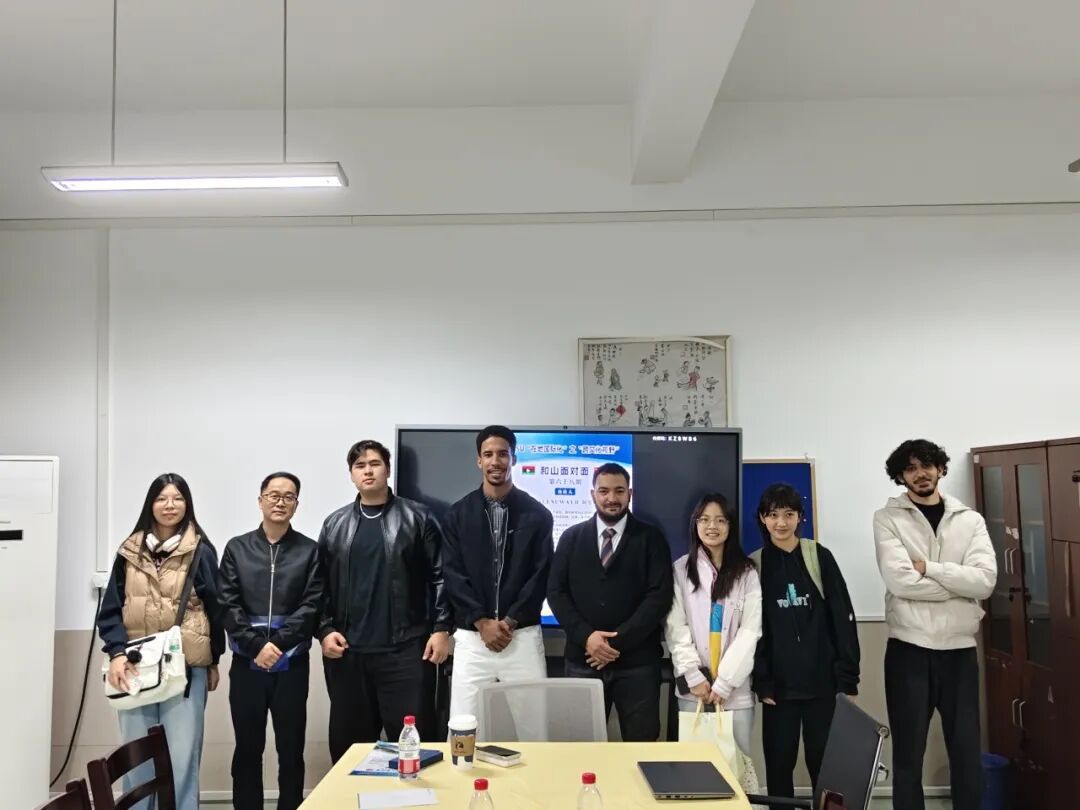
为进一步了解和关心国际留学生在校学习和生活情况、增进对中外大学生所在国家文化的认识、培养学生国际视野、促进文化交流和文明沟通,国际学院推出了教育开放推广季“跨文化视野”之“和山面对面”系列访谈节目。
11月6日的活动由24级日语专业的王雅妮主持,特邀来自利比亚的留学生阿里(Ali Suwayd)作为嘉宾。
对于热爱运动的阿里来说,世界的宽广往往是在赛场上丈量出来的——从绿茵场上的奔跑、乒乓桌前的挥拍,到马背上的驰骋与泳池里的破浪,他用运动这门无国界的语言,展现着一种直率而阳光的探索精神。这一次,阿里将作为文化向导,带我们走进他的家乡。透过这位阳光大男孩的视角,我们将重新认识那个镶嵌在北非、拥抱地中海的迷人国度——利比亚。伴随着北非大地特有的热情与豪爽,阿里将用最真实的经历与感受,带大家打破距离的隔阂,去触碰一个立体、鲜活且充满生机的利比亚。
阿里,来自利比亚,目前就读于跨境电子商务专业。
Ali Suwayd

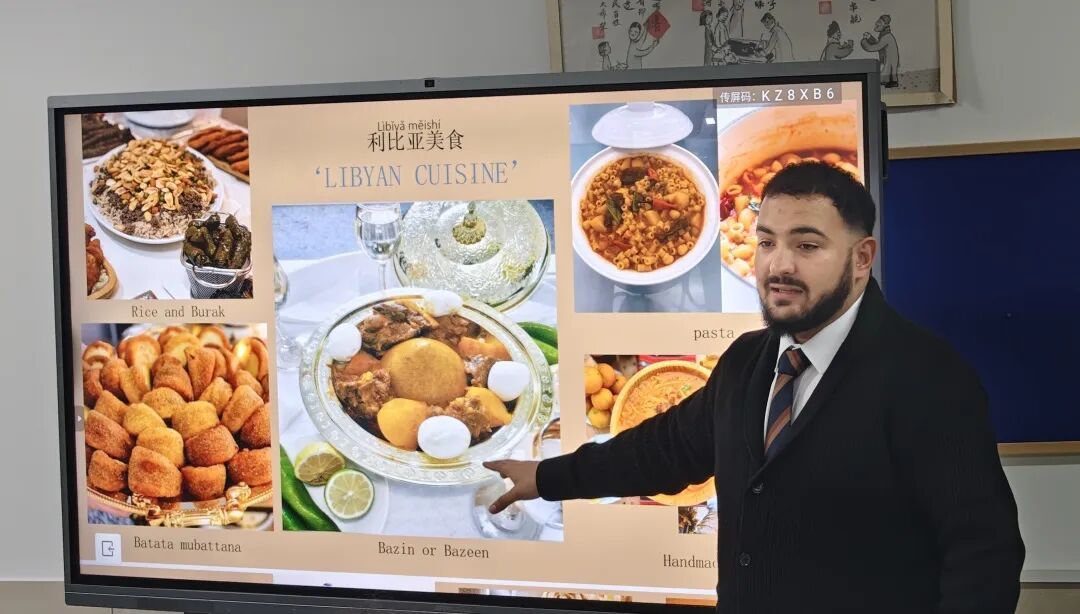
问:能介绍一下利比亚最传统的食物吗?比如那个像意面一样的东西?
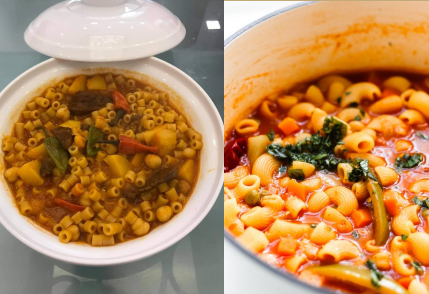
阿里:对,你看这个,这是最传统的一种。我们叫它巴泽恩,它的做法挺有意思,是用面粉、肉、汤还有鸡蛋混合在一起,口感很扎实。这真的是每家每户周五都会吃的最传统的东西。还有那种像印度传统食物一样的,里面有土豆和肉。至于那个像意面的,其实口感不一样,每个城市做法都不同,有的地方叫它盖塔。
Q: Can you introduce the most traditional food in Libya? Like that thing similar to pasta?
Ali: Yeah, as you see, this is the most traditional one. We call it Bazeen. It's made from flour, meat, soup, and egg, quite interesting. It's really the most traditional thing; every house has this on Fridays. And we have another one with potatoes and meat, which is also a traditional thing, kind of like in India. For the one that looks like pasta, the taste is different. It varies by city; every city makes it differently. Some people call it "Geta."
问:那些甜点呢?吃了会不会很甜?
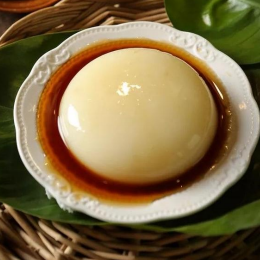
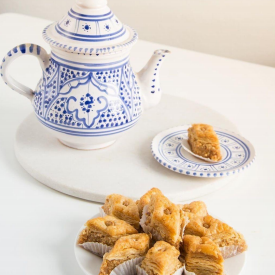
阿里: 我们有几种特别有名的甜点。比如巴克拉瓦,虽然现在有些土耳其朋友可能会说这是他们的,但在利比亚这也是标配。吃这个的时候你得小心,因为它超级甜,吃完最好喝点水,不然嗓子会黏住。还有一种叫做阿希达的,是用枣子做的甜汤,质地像果冻,配着蜂蜜做的酱汁,通常在冬天早上吃,热乎乎的,能让身体暖和起来。
Q: What about those sweets? Are they very sweet?
Ali: We have several especially famous desserts. Take Baklava, for example—some Turkish friends might claim it as theirs nowadays, but in Libya it’s also a standard treat. You have to be careful when eating it because it’s extremely sweet; it’s best to drink some water afterward, or your throat will feel sticky. There’s also something called Aseeda, a sweet soup made from dates. Its texture is like jelly, served with a honey sauce. It’s usually eaten on winter mornings, served hot, and it really warms you up.
问:关于食物的辣度,利比亚和中国有什么不同?
阿里: 印度的食物真的很辣,墨西哥的也很辣,但利比亚的食物不那样。我们也会放辣,但我们控制得很好,是为了提味,带点酸味,让味道更好,而不是为了让你辣得睡不着觉。如果吃你们那种特别辣的食物,我晚上会睡不着。中国的辣味带点甜,所以即使放了很多辣椒,也不会觉得那么灼热,这让食物很有特色。
Q: What about the spiciness of food? How is it different between Libya and China?
Ali: Indian food is really spicy, and Mexican too. But for us, we control the spice. We put spice to make the flavor good, a little bit sour, not just to make it super spicy. If I eat your super spicy food, I won't sleep at night. Chinese spice is a little bit sweet, so even if you add a lot, you don't feel that burning heat. It makes the food different.
问:根据你刚才介绍的,利比亚人也喝茶吗?和中国的绿茶有什么不同?
阿里: 我们也喝绿茶,有点像中国的那种。但在我们的传统习惯里,喝茶时要加一种特殊的薄荷,这样味道才好。如果不加那个,老人们可能觉得不对劲。这是一种很好的饮用体验。
Q: According to your introduction, so people in Libya also drink tea? How is it different from Chinese green tea?
Ali: We have green tea, like the Chinese style. But in our traditional behavior, you have to add this specific ingredient--the mint, to the tea. It’s going to taste good for drinking that way. Especially old people think it's not right without it. It’s quite a good drinking experience.
Q: 那你在中国最喜欢吃的是什么?
阿里: 我试过很多,饺子、面条都吃过。但我最爱的还是炒饭!虽然学校食堂的菜有时候吃腻了,我们会出去换换口味,甚至自己做饭,但炒饭真的是我的最爱。不过因为清真餐厅关门时间早,有时候晚了就吃不到了,实在是有点遗憾。
Q: What’s your favorite food in China?
Ali: I’ve tried many different foods—dumplings, noodles, but my absolute favorite is still fried rice! Although we sometimes get bored of the dishes in the canteen and go out for a change, or even cook for ourselves, fried rice is truly my favorite. However, because the halal restaurant closes early, sometimes we can’t get any if we go too late—which is really a bit of pity.
问:听说利比亚有两位总统,分别在东部和西部,这怎么运作?会有安全问题吗?
阿里: 确实有点复杂,我们有西部和东部两个政府。但现在情况正在变化,预计今年年底会有一些改变。目前虽然有两个政府,但这只是政治层面的分立,对普通人来说完全没问题。你可以从西部去东部,也可以从东部来西部,没人会拦你,也没有安全检查。这只是政府之间的分歧,不影响百姓生活。
Q: I heard Libya has two presidents, one in the East and one in the West. How does that work? Is it safe?
Ali: Actually, it's a little bit hard because we have two: West and East. But everything is changing. By the end of this year, it’s gonna be different maybe. Right now, even though we have two written governments, it’s just political. For the people, there is no problem. You can go to the East, you can go to the West, no problem. No one can stop you or do anything. It’s just a issue for the government, not for the people.
问:那东部和西部的治理情况有区别吗?
阿里: 我住在西部,但我觉得东部的总统做得稍微好一点。他们在东部做了很多实事,比如修路、建医院、搞建设。而西部这边,没什么太大的建设进展。所以东部看起来城市更好,管理也更有序一些。
Q: Is there a difference in governance between the East and the West?
Ali: I'm living in the West, but I see the president in the East is doing a little bit better. In the East, they do a lot of things: they prepare the roads, they build hospitals, they do a lot of building. But in the West, there hasn’t been much major construction progress. So the East is becoming better cities with better controlling, the cities in the East look better and are managed in a more orderly way, while the West stays the same.
问:在利比亚做生意安全吗?特别是和中国企业的合作?
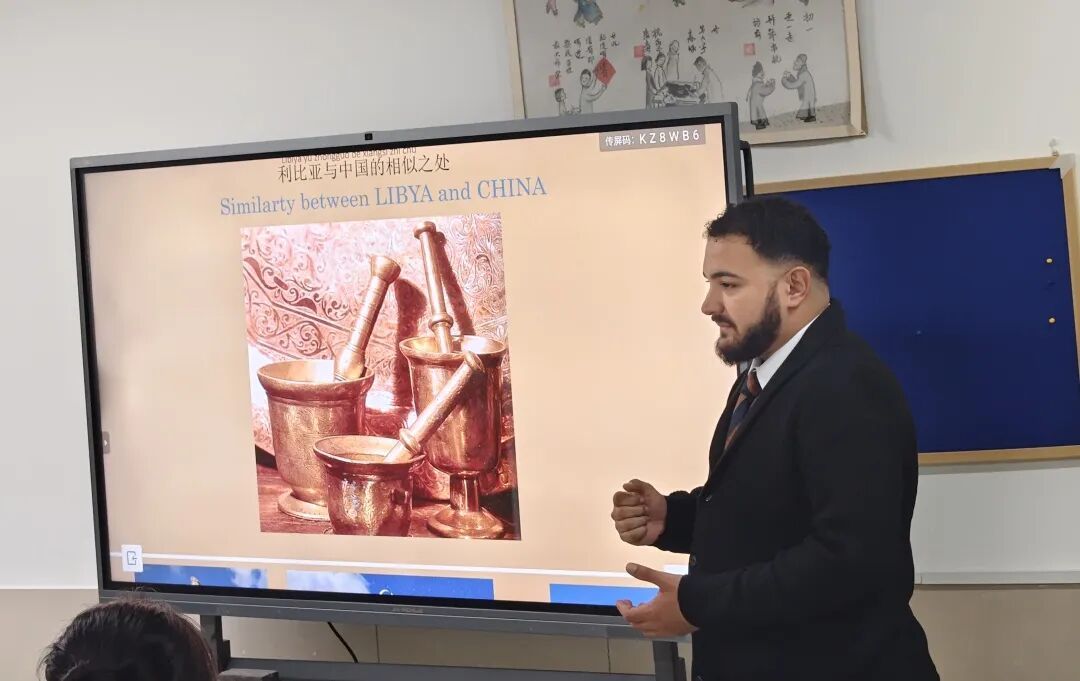
阿里: 当然安全。利比亚的经济状况很好。现在有很多中国学生和中国公司来到非洲,包括利比亚、埃及、肯尼亚等。我们的首都的黎波里现在也有了中国大使馆,以前还得去突尼斯或埃及办签证。这说明关系更紧密了。 很多利比亚人在义乌做生意,开餐馆或公司。利比亚正在重建,新建了很多大楼,经济正在变强。对于投资来说,现在正是一个好的时机。而且利比亚免签很多国家,护照含金量不错。
Q: Is it safe to do business in Libya? Especially cooperation with Chinese companies?
Ali: Of course, it's safe. The economic situation is really good. Many Chinese students and companies are coming to Africa, including Libya, Egypt, Kenya and so on. We now have a Chinese embassy in Tripoli, the capital; before, we had to go to Tunisia or Egypt for visas. This shows closer ties. Many Libyans are in Yiwu doing business, opening restaurants or companies. Libya is rebuilding; we have new buildings, and the economy is getting stronger. Now it's a good time for investment. Also, our passport is strong; we can enter many countries without a visa.
问: 我听说义乌有很多很棒的利比亚餐厅。其实我在义乌住了19年。是不是因为有很多利比亚人在义乌做生意,所以那里才有这么多餐厅?
阿里: 是的,差不多是这个原因。有很多利比亚人来到中国并住在这里。有些人开餐厅,靠餐厅的收入来支付日常开销、房租等所有费用。还有些人这里开了公司,或者只是来做生意的。总的来说,现在中国有很多利比亚人,特别是在义乌这样的城市。
Q: I heard there are many great Libyan restaurants in Yiwu. Actually, I’ve lived in Yiwu for 19 years. Is it because there are many Libyans doing business in Yiwu that there are so many restaurants there?
Ali: Yes, kind of, I think. We has a lot of Libyan, like Libyan people, they come and they live in China here. Some of them, they open a restaurant, and they live with this restaurant, like they pay for the day, they pay for the rent, they pay for everything, from this restaurant. Others have set up companies here, or are just here to do business. Overall, there are many Libyans here, especially in cities like Yiwu.
Q: 那如果是中国人去到利比亚,最有可能的是去到哪个城市?
阿里: 大多数中国人会去首都的黎波里。我在暑假回利比亚时遇到过很多中国人,他们有的是来旅游,有的是来经商。我和他们聊天时发现他们中文说得很好,当我告诉他们我在中国住了三年后,他们甚至开始用中文跟我交流,而不仅仅是英语。
Q: If a Chinese goes to Libya, which city are they most likely to visit?
Ali: Most of Chinese people, they come to the capital Tripoli. And I have met many Chinese people when I was back in my country this summer. Some were there for tourism, and some for business. When I was talking with them, I found that their Chinese was very good, of course. And when I told them that I have been living in China for three years, then they would start to speak with me in Chinese, not even in English.
Q: 既然你暑假回到过利比亚,关于经济等方面,你觉得你的国家已经准备好开始蓬勃发展,并在政治上足够稳定到可以与中国工厂等开展更多业务了吗?
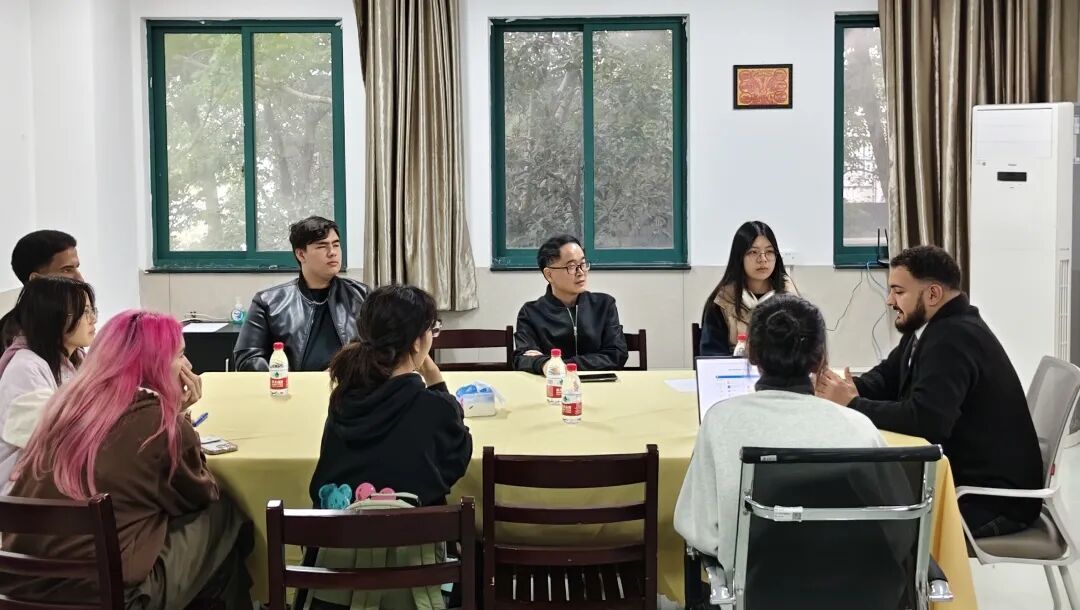
阿里: 是的,我可以比较肯定地说,确实有这个趋势。这次回去,我亲眼看到不少中国工厂和相关项目,有些甚至还在建设中。这让我感受到,当地的经济活力正在恢复,合作机会也在增加。我的国家现在对中国企业和投资者表现出更加开放的态度,不只是欢迎做贸易,也希望借助合作推动经济更好发展。当然,挑战仍然存在,但整体趋势让人更有信心。我相信,随着稳定和开放继续推进,利比亚与中国工厂、企业之间会有更多务实合作,不仅能带来商业机会,也能增进互信,实现互利共赢。
Q: So like that you came back in Libya before, the one that you were saying about the economy and everything, do you feel like your country is ready to start to flourish and be more open to the business with China factories and stuff, and is there politically stable enough for the economic to develop?
Ali: Yes, I would say so with reasonable confidence—there is indeed such a trend. During this trip back, I saw quite a few Chinese factories and related projects with my own eyes, some of which are still under construction. This made me feel that economic vitality is recovering and that opportunities for cooperation are increasing. My country is now showing a more open attitude toward Chinese enterprises and investors—not only welcoming trade, but also hoping to use cooperation to promote better economic development. Of course, challenges remain, but the overall trend gives people more confidence. I believe that as stability and openness continue to advance, there will be more practical cooperation between Libya and Chinese factories and enterprises. This will not only create business opportunities, but also enhance mutual trust and achieve mutual benefit and win-win results.