为了进一步了解和关心国际留学生在校学习和生活情况、增进对中外大学生所在的国家文化的认识、培养学生国际视野、促进文化交流和文明沟通,国际学院推出了教育开放推广季“跨文化视野”之“和山面对面”系列访谈节目。
本次活动由来自东语学院的乔华丹主持,特邀来自西班牙的留学生清怡(María)作为嘉宾。清怡分享了西班牙的热门城市景点、海鲜饭、塔帕斯等特色美食,塞维利亚四月节、瓦伦西亚法雅节等传统节日,以及浓厚的足球文化,还推荐了西班牙小众村落的自然风光与传统体验。她讲述了因在韩国交换时受中文室友影响,对中文产生兴趣而选择来华求学的经历,畅谈了在杭州的生活适应情况,对比了中西饮食作息等文化差异,分享了学习中文的契机与规划,以及自己的个人爱好。她的分享让同学们对西班牙的文化、教育与日常有了更全面鲜活的认知。
清怡,来自西班牙,翻译专业毕业,目前在中国专门学习中文。
María (Chinese name Qingyi), from Spain, graduated with a degree in Translation.Currently, she is studying Chinese in China.
1.乔华丹:各位同学下午好!欢迎来到本期“和山面对面”活动~ 今天我们特别邀请到来自西班牙的留学生清怡同学,先请她和大家打个招呼,介绍一下自己吧!
清怡:大家好!我叫María(清怡)。我来自西班牙南部的一个小镇布兰科(Blanca),意思是“白色”。我今年23岁,去年刚从翻译专业毕业,之前还在韩国做过一年交换生,今年来这里专门学习中文,很高兴和大家交流!
1.Qiao Huadan: Good afternoon, everyone! Welcome to this episode of "Face to Face with He Shan"! Today, we are honored to invite María, an international student from Spain. Let's first ask her to greet everyone and introduce herself!
María: Hello, everyone! My name is María (Chinese name Qingyi). I am from Blanca, a small town in southern Spain, which means "white". I am 23 years old and just graduated from the Translation major last year. I also studied as an exchange student in South Korea for a year. This year, I came here specifically to learn Chinese. I am very happy to communicate with everyone!
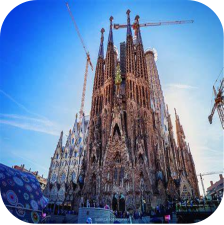

2.乔华丹:好的清怡,大家对西班牙的热门城市和景点都很感兴趣,你有什么推荐呀?
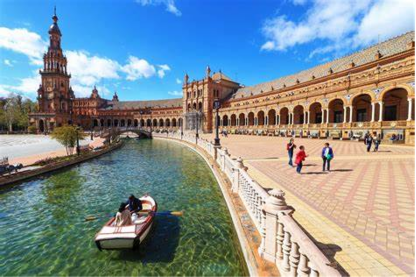
清怡:西班牙有很多值得去的地方!首都马德里在西班牙中部,有个很有名的公园,大家可以在里面散步,还能租小船休闲放松;市中心的广场是城市核心,非常受欢迎。巴塞罗那在北部,圣家堂是必看的标志性大教堂和旅游景点;而且巴塞罗那的人会说西班牙语和加泰罗尼亚语,两种语言都通用。瓦伦西亚的海洋馆建筑很漂亮,里面还有水族馆、科学博物馆和艺术展馆,适合花一整天慢慢逛。南部的塞维利亚有市中心广场,可租船游玩;格拉纳达的阿尔罕布拉宫特别有名,是很久以前穆斯林在西班牙时留下的建筑,很多人专门去参观。另外,西班牙北部的海滩很美,和南部的海滩风格很不一样,各有特色。
乔华丹:听起来太棒啦!那能和我们多聊聊你的家乡布兰科吗?它和西班牙的大城市相比有什么特别之处?
清怡:我的家乡不是西班牙的大城市,被群山环绕,还有河流和大湖,有很多土地用来种植水果和蔬菜,自然环境很好,氛围也很宁静。和马德里、巴塞罗那那些繁华都市比起来,这里更显惬意,没有那么多喧嚣。
乔华丹:听起来确实是个好地方!你的家乡有没有特别的传统活动,或者想推荐给中国同学的小众体验?
清怡:我家乡的特色更多体现在自然与日常里,如果大家去西班牙,推荐不妨多去小村落看看,能感受到更纯粹的自然风光和当地人做的传统美食,这种体验会比大城市更独特。
2.Qiao Huadan: Alright, María. Everyone is very interested in Spain's popular cities and attractions. Do you have any recommendations?
María: Spain has many wonderful places worth visiting! The capital, Madrid, is located in central Spain. There is a very famous park where people can walk around and rent small boats for leisure and relaxation; the square in the city center is the core of the city and very popular. Barcelona is in the north. Sagrada Família is a must-see iconic cathedral and tourist attraction moreover, people in Barcelona speak both Spanish and Catalan, and both languages are widely used. The Oceanographic in Valencia has beautiful architecture, and it also houses an aquarium, science museum, and art exhibition hall, making it suitable for a full day of leisurely visiting. Seville in the south has a city center square where you can rent boats; the Alhambra Palace in Granada is particularly famous, a building left by Muslims in Spain a long time ago, and many people visit it specially. In addition, the beaches in northern Spain are very beautiful, with a completely different style from those in the south, each having its own unique charm.
Qiao Huadan: That sounds amazing! Can you tell us more about your hometown, Blanca? What makes it different from Spain's big cities?
María: My hometown is not a big city in Spain. It is surrounded by mountains, with rivers and a large lake. There is a lot of land used for growing fruits and vegetables, so the natural environment is very good and the atmosphere is peaceful. Compared with bustling metropolises like Madrid and Barcelona, it is more comfortable and less noisy.
Qiao Huadan: It sounds really nice! Are there any special traditional activities in your hometown or niche experiences you want to recommend to Chinese students?
María: The characteristics of my hometown are more reflected in nature and daily life. If everyone goes to Spain, I recommend visiting more small villages. You can experience purer natural scenery and traditional food made by local people, which is a more unique experience than in big cities.
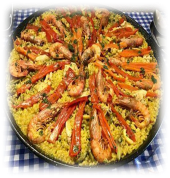
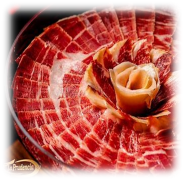
3.乔华丹:好的,说到西班牙,美食一定不能少,能给我们介绍一些吗?
清怡:当然!首先是海鲜饭(paella),以米饭为基底,可根据喜好加海鲜、鸡肉、猪肉或蔬菜,味道非常美味。然后是土豆煎蛋饼(tortilla),主要食材是土豆和洋葱,是西班牙经典美食,可加可不加洋葱,做法简单却极具风味。还有塔帕斯(tapas),是小份食物,可以点很多种搭配啤酒或其他饮品一起吃;另外还有一种不需要烹饪的火腿,经过长时间腌制,也是特色塔帕斯之一。甜点方面,有一款来自西班牙特定城市的糕点,松软酥脆,中间可夹蛋奶沙司或巧克力酱,搭配巧克力吃口感很棒。饮品的话,桑格利亚汽酒(sangria)很有名,以葡萄酒为基底,加入水果和冰块,夏天喝特别清爽。
3.Qiao Huadan: Alright, speaking of Spain, we can't miss its cuisine. Can you introduce some?
María: Of course! First of all, paella. It is rice-based, and you can add seafood, chicken, pork, or vegetables according to your preferences. It is extremely delicious. Then there is tortilla Española (Spanish omelet), with main ingredients of potatoes and onions. It is a classic Spanish dish, and onions are optional. It has a simple preparation method but a very distinctive flavor. There are also tapas, which are small portions of food. You can order many types to pair with beer or other drinks; in addition, there is a type of ham that does not require cooking. After a long period of curing, it is also one of the characteristic tapas. For desserts, there is a type of pastry from a specific city in Spain, which is soft and crispy, with custard or chocolate sauce in the middle. It tastes great when paired with chocolate. For drinks, sangria is very famous. It is wine-based, mixed with fruits and ice. It is especially refreshing to drink in summer, add other drinks to taste according to your own preferences.
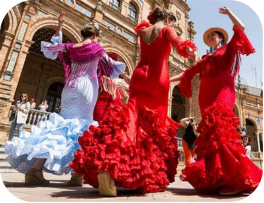

4.乔华丹:感觉非常好吃!那西班牙的节日有什么特别的?你印象最深的是哪些呢?
清怡:西班牙不同城市有不同的节日,我主要向大家介绍两个。一个是南部塞维利亚的四月节,每年四月举行,人们会穿传统服饰、跳传统舞蹈,街上还有很多和马相关的活动,大家聚在城市主要区域,像一场持续好几天的盛大派对。另一个是瓦伦西亚的法雅节(Fallas),人们会花好几个月时间制作巨大的彩车造型,主题常涉及政治或社会热点,最后一天会评选最佳作品,然后把所有彩车都烧掉,仪式感十足,非常有特色。
乔华丹:说到西班牙,足球也是绕不开的话题,西班牙的足球氛围是不是特别浓厚?你有喜欢的球队吗?
清怡:是的!西班牙人大多喜欢足球,国家队不管男队还是女队都很有名,俱乐部里皇家马德里、巴塞罗那和马德里竞技这三支队伍人气最高,在西班牙乃至全世界都很有影响力。我喜欢马德里队!
4.Qiao Huadan: It sounds really tasty! What about Spanish festivals? Which ones are the most memorable for you?
María: Different cities in Spain have different festivals. I mainly want to introduce two of them. One is the Seville April Fair, held every April. People wear traditional costumes, dance traditional dances, and there are many horse-related activities on the streets. Everyone gathers in the main area of the city, like a grand party that lasts for several days. The other is the Valencia Fallas Festival. People spend months making huge float sculptures, with themes often related to political or social hot topics. On the last day, the best work is selected, and then all the floats are burned. It is full of ritual sense and very distinctive.
Qiao Huadan: Speaking of Spain, football is an unavoidable topic. Is the football atmosphere in Spain particularly strong? Do you have a favorite team?
María: Yes! Most Spaniards love football. Both the men's and women's national teams are very famous. Among the clubs, Real Madrid, Barcelona, and Atlético de Madrid are the most popular, with great influence in Spain and even around the world. I like Real Madrid!
5.乔华丹:了解了这么多西班牙的特色,我们也很好奇,来中国之前,你对中国的印象是什么样的?
清怡:我之前觉得中国非常有未来感,很现代化,到处都是高楼大厦,充满科技感,来了之后发现确实如此!
乔华丹:那是什么契机让你选择来中国学习中文呀?
清怡:其实是因为我在韩国交换的时候,我的室友会说中文,她经常教我一些中文词汇或表达,我觉得很有趣,想要进一步深入学习,所以毕业后就来中国了。
乔华丹:那为什么之前会选择去韩国交换呢?
清怡:我的专业和语言相关,我特别喜欢亚洲语言,觉得很有魅力,所以之前就学习了韩语,也去韩国体验了一年的交换生活。
5.Qiao Huadan: After learning so much about Spain's characteristics, we are also curious about your impression of China before coming here.
María: I used to think China was very futuristic and modern, full of high-rise buildings and a sense of technology. After arriving, I found it is indeed the case!
Qiao Huadan: What made you decide to come to China to learn Chinese?
María: Actually, during my exchange in South Korea, my roommate could speak Chinese. She often taught me some Chinese words or expressions, which I found very interesting. I wanted to learn more in depth, so I came to China after graduating.
Qiao Huadan: Then why did you choose to study as an exchange student in South Korea before?
María: My major is related to languages. I especially like Asian languages and find them very charming. So I learned Korean before and also went to South Korea to experience the exchange life for a year.
6.乔华丹:你来中国多久了?目前觉得杭州的生活怎么样,能适应吗?
清怡:我已经来两个多月了,非常喜欢杭州!这里的生活很有趣,有很多新鲜事物,每天都能发现不一样的东西。我已经去过西湖了,风景特别美。
乔华丹:这段时间里,有没有遇到让你觉得冲击比较大的文化差异?
清怡:最大的差异是食物和作息!这里的午饭和晚饭都吃得很早,晚饭五六点就要吃,不然食堂就关门了,但在西班牙我们通常九点左右吃晚饭,睡觉也比较晚。另外,西班牙不是所有人都会午睡,只有一部分人会在下午休息一会儿,这和中国的作息习惯也不太一样。
乔华丹:那饮食方面有没有特别喜欢或不太习惯的?
清怡:我特别喜欢中国的包子!中国菜和西班牙菜差异挺大的,中国菜选择更多。杭州的饮食比较清淡,吃着也很合口味。
6.Qiao Huadan: How long have you been in China? How do you feel about life in Hangzhou now? Have you adapted to it?
María: I have been here for more than two months and I really like Hangzhou! Life here is very interesting, with many new things, and I can discover something different every day.I have already visited West Lake, and the scenery is extremely beautiful.
Qiao Huadan: During this period, have you encountered any cultural differences that shocked you a lot?
María: The biggest differences are in food and daily schedules! Lunch and dinner here are eaten very early. Dinner has to be eaten around five or six o'clock, otherwise the canteen will be closed. But in Spain, we usually have dinner around nine o'clock and go to bed quite late. In addition, not everyone in Spain takes a nap; only some people rest for a while in the afternoon, which is different from China's daily schedule.
Qiao Huadan: Are there any Chinese foods you particularly like or are not used to?
María: I especially like Chinese baozi (steamed buns)! There are great differences between Chinese food and Spanish food, and there are more choices for Chinese food. The diet in Hangzhou is relatively light, which suits my taste very well.
7.乔华丹:课堂上学生和老师的互动,和西班牙有区别吗?你和中国同学相处得怎么样?
清怡:课堂互动感觉差不多,主要是老师讲、学生听,大家能互相理解,沟通起来没什么问题。不过有点可惜,我现在没有中国同学,希望之后能交到更多中国朋友。
乔华丹:有尝试加入校园社团或参加活动吗?
清怡:我报名了唱歌社团和跆拳道社团,但还没正式开始,所以现在还不清楚具体情况,很期待社团活动的开展。
乔华丹:中秋节刚过不久,你有参与相关活动吗?
清怡:我在中国过了中秋节,但不知道该做什么,所以没参加特别的活动,之后想多了解中国的传统节日。
7.Qiao Huadan: Is there any difference in the interaction between students and teachers in class compared with Spain? How do you get along with Chinese classmates?
María: The interaction in class feels almost the same. It is mainly the teacher lecturing and students listening. Everyone can understand each other, and there is no problem in communication. However, it's a bit of a pity that I don't have any Chinese classmates now. I hope I can make more Chinese friends in the future.
Qiao Huadan: Have you tried to join any campus clubs or activities?
María: I signed up for the singing club and taek wondo club, but they haven't officially started yet, so I don't know the specific situation now. I am looking forward to the launch of the club activities.
Qiao Huadan: The Mid-Autumn Festival has just passed. Did you participate in any related activities?
María: I spent the Mid-Autumn Festival in China, but I didn't know what to do, so I didn't participate in any special activities. I want to learn more about Chinese traditional festivals in the future.
8.乔华丹:好的,你在西班牙生活多年,又去过韩国,现在来中国,觉得西班牙和中国最大的区别是什么?
清怡:我觉得是生活节奏和学习氛围。西班牙的生活节奏更平缓,人们会更从容地处理工作和学习;而中国的生活节奏更快,学生们在学习上也更刻苦认真。另外,在中国外出吃饭比西班牙更实惠,用手机支付也非常方便。
乔华丹:很多中国人对西班牙的印象是弗拉门戈、斗牛和足球,你觉得这些能代表现代西班牙吗?
清怡:足球确实可以,因为大多数西班牙人都喜欢足球。但弗拉门戈和斗牛只是个别城市的特色,不能代表整个西班牙,而且有很多人也不喜欢斗牛。
乔华丹:那你觉得什么可以代表现代的西班牙呢?
清怡:我觉得现代西班牙更多是一种从容的生活方式,大家不会过得那么匆忙,虽然也会认真工作和学习,但节奏会更舒缓。
乔华丹:西班牙人对王室的关注度高吗?和英国人一样吗?
清怡:不一样,我们对王室的关注度不高,他们更多是象征意义,没什么实际权力。
乔华丹:欧洲人好像大多会两三种语言,是这样吗?你会几种呀?
清怡:对的,至少三种是比较常见的,我会西班牙语、英语、法语、意大利语和一点韩语,欧洲很多人都会掌握三四门语言,常见的是母语、英语和法语。
8.Qiao Huadan: Alright, you have lived in Spain for many years, studied in South Korea, and now you are in China. What do you think is the biggest difference between Spain and China?
María: I think it's the pace of life and the learning atmosphere. The pace of life in Spain is more gentle, and people handle work and study more calmly; while the pace of life in China is faster, and students are more diligent and serious in their studies. In addition, eating out in China is more affordable than in Spain, and mobile payment is very convenient.
Qiao Huadan: Many Chinese people's impression of Spain is flamenco, bullfighting, and football. Do you think these can represent modern Spain?
María: Football can indeed, because most Spaniards love football. But flamenco and bullfighting are only characteristics of individual cities and cannot represent the whole of Spain. Moreover, many people do not like bullfighting.
Qiao Huadan: Then what do you think can represent modern Spain?
María: I think modern Spain is more about a calm lifestyle. People don't live in such a hurry. Although they also work and study earnestly, the pace is more relaxed.
Qiao Huadan: Do Spaniards pay much attention to the royal family? Is it the same as the British?
María: No, it's not the same. We don't pay much attention to the royal family. They are more of a symbolic meaning and have no real power.
Qiao Huadan: It seems that most Europeans can speak two or three languages. Is that true? How many languages can you speak?
María: Yes, it is quite common to speak at least three languages. I can speak Spanish, English, French, Italian and a bit of Korean. Many people in Europe can master three or four languages, usually their mother tongue, English, and French.
9.乔华丹:那你之后有什么规划?会考虑从事和中国相关的工作吗?
清怡:我之后想回西班牙读会议口译专业的硕士,目前在考虑巴塞罗那、马德里、格拉纳达等城市的学校,格拉纳达的一年制项目是我的首选,因为有些城市的项目是私立的,费用太高,我负担不起。关于工作,现在还没完全确定,但很希望能从事和中文或文化交流相 关的工作。
乔华丹:你有什么爱好吗?可以和大家分享一下吗?
清怡:我的爱好是柔道,我练了10年的柔道,本来来中国之前要考黑带,但因为日期冲突没做成,回去之后会继续参加考试,希望能拿到黑带。
乔华丹:柔道!好厉害,祝你之后的考试顺利!除了杭州,你有没有特别想去中国的哪个城市?
清怡:我特别想去上海,听说离杭州很近,只有一个小时的路程,之后有空一定会去看看。或者有什么推荐给我的吗?
乔华丹:除了上海之外,还可以去北京看看,有故宫博物院、长城、天安门广场这样历史文化浓厚的地方,能感受到中国深厚的历史底蕴。或者西安,中国古代的都城,有兵马俑、城墙、钟鼓楼,还有很多博物馆,非常值得去参观!
清怡:听起来都很不错!
9.Qiao Huadan: What are your future plans? Will you consider working related to China?
María: I want to go back to Spain to study for a master's degree in Conference Interpreting. Currently, I am considering universities in cities such as Barcelona, Madrid, and Granada. The one-year program in Granada is my first choice because the programs in some cities are private and the fees are too high for me to afford. As for work, I haven't fully decided yet, but I really hope to engage in work related to Chinese or cultural exchange.
Qiao Huadan: Do you have any hobbies? Can you share them with everyone?
María: My hobby is judo. I have been practicing judo for 10 years. I was supposed to take the black belt exam before coming to China, but I couldn't make it due to a date conflict. I will continue to take the exam when I go back and hope to get the black belt.
Qiao Huadan: Judo! That's amazing. Wish you success in the exam later! Besides Hangzhou, are there any other cities in China you particularly want to visit?
María: I really want to visit Shanghai. I heard it's very close to Hangzhou, only a one-hour journey. I will definitely go there when I have time later. Or do you have any recommendations for me?
Qiao Huadan: In addition to Shanghai, you can also visit Beijing. There are places with rich historical and cultural heritage such as the Palace Museum, the Great Wall, and Tiananmen Square, where you can feel China's profound historical heritage. Or Xi'an, an ancient capital of China, which has the Terracotta Army, city walls, Bell and Drum Towers, and many museums. It is definitely worth visiting!
María: They all sound great!
10.在场同学:西班牙的物价和中国比,整体会高很多吗?
清怡:整体来说是的,比如餐厅的食物、房租都会比这里高。但大学里面的消费会便宜一些,住宿舍比租公寓划算,如果自己做饭,去Mercadona超市买食材的花费也不会太高。像巴塞罗那、马德里这样的大城市房租很贵,但小地方就便宜不少。
在场同学:巴塞罗那的人真的会说两种语言吗?去那里旅游需要提前学加泰罗尼亚语吗?
清怡:是的,当地人都会说西班牙语和加泰罗尼亚语,两种语言都通用,所以不用特意学加泰罗尼亚语,学会基础的西班牙语沟通就没问题。
在场同学:你在中国的一个月大概花多少钱?和西班牙比怎么样?
清怡:不算房租的话,大概3500元左右。在西班牙,我有兼职工作,一个月大概花2500-4000元,不过西班牙的物价整体更高,同样的钱在中国能买到更多东西。
在场同学:你在西班牙平时空闲时间会做什么呀?
清怡:我喜欢运动,除了练柔道,还经常去健身房,或者和室友一起出去找餐厅吃饭、散步逛街,看看周边的风景。
乔华丹:能教我们几句简单的西班牙语问候语吗?
清怡:当然可以!早上好是“Buenos días”,再见可以说“Adiós”,大家可以试着念念看~
乔华丹:时间过得真快,今天的分享到这里就要结束啦!非常感谢清怡同学给我们带来这么多关于西班牙的精彩介绍,解答了大家这么多问题,让我们对西班牙有了更全面、更深入的了解,也祝愿你在中国的学习和生活一切顺利!
清怡:谢谢大家!很高兴能和大家交流!
10.Students: Is the overall cost of living in Spain much higher than in China?
María: Overall, yes. For example, restaurant food and rent are higher here. But the consumption in universities is cheaper. Living in dormitories is more cost-effective than renting apartments. If you cook by yourself, the cost of buying ingredients in Mercadona supermarket is not too high. Rent in big cities like Barcelona and Madrid is very expensive, but it is much cheaper in small places.
Students: Do people in Barcelona really speak two languages? Do I need to learn Catalan in advance when traveling there?
María: Yes, local people can speak both Spanish and Catalan, and both languages are widely used. So there is no need to specially learn Catalan. Learning basic Spanish is enough for communication.
Students: How much do you spend per month in China? How does it compare with Spain?
María: Excluding rent, it's about 3,500 yuan. In Spain, I have a part-time job and spend about 2,500-4,000 yuan per month. However, the overall cost of living in Spain is higher, and the same amount of money can buy more things in China.
Students: What do you usually do in your free time in Spain?
María: I like sports. Besides practicing judo, I often go to the gym, or go out with friends to find restaurants to eat, walk around, and see the surrounding scenery.
Qiao Huadan: Can you teach us some simple Spanish greetings?
María: Of course! Good morning is "Buenos días", and goodbye can be said as "Adiós". Everyone can try to pronounce them!
Qiao Huadan: Time flies! Today's sharing is coming to an end. Thank you very much, María, for bringing us such wonderful introductions about Spain and answering so many questions from everyone. It has given us a more comprehensive and in-depth understanding of Spain. Wish you all the best in your studies and life in China!
María: Thank you, everyone! I am very happy to communicate with you!