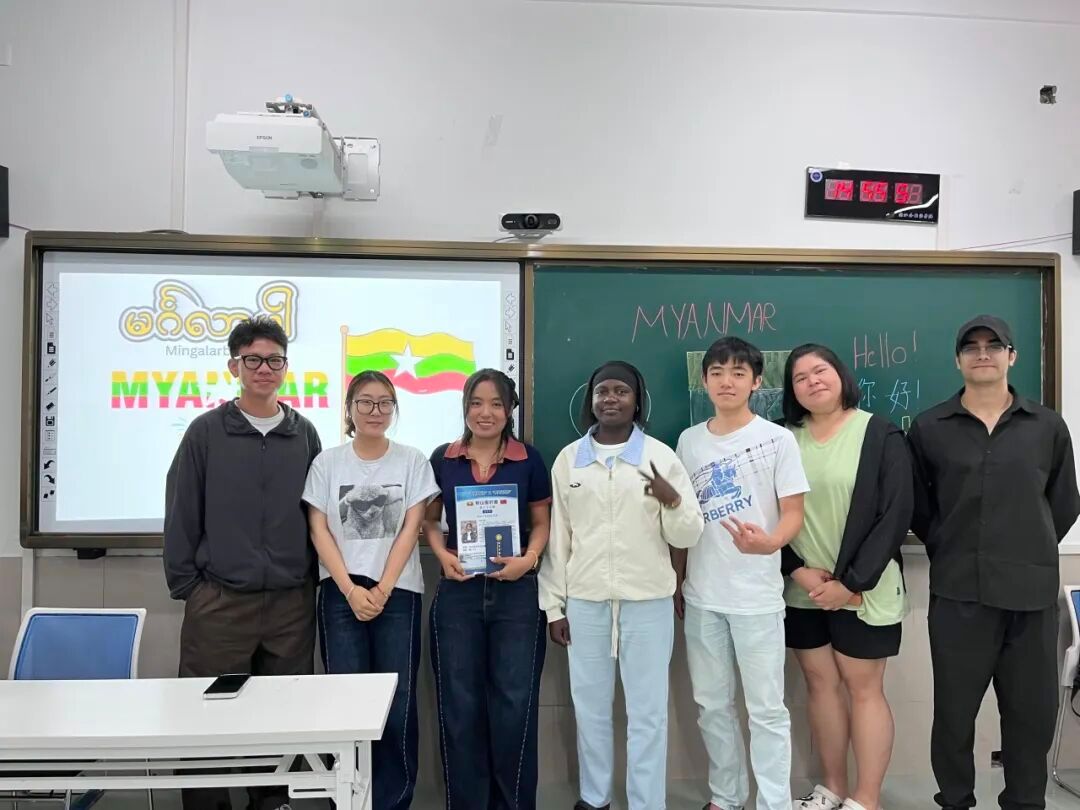
为进一步了解和关心国际留学生在校学习和生活情况、增进对中外大学生所在国家文化的认识、培养学生国际视野、促进文化交流和文明沟通,国际学院推出了教育开放推广季“跨文化视野”之“和山面对面”系列访谈节目。
5月28日的活动由24级旅游管理专业的许紫玲主持,特邀来自缅甸的留学生凤英(May Thukha)作为嘉宾。凤英眼中的缅甸,不只有翡翠和佛塔——蒲甘平原上两千多座古塔在日出时分的肃穆与壮美,伊洛瓦底江两岸人们不急不慢的生活节奏,还有那些藏在山海之间的岛屿与森林,都是她心里最想分享的画面。从物理实验室到中文课堂,从缅甸的古城到杭州的校园,凤英用自己的人生轨迹证明:热爱可以跨越学科,而文化同样可以越过山海。她说,欢迎大家来和她聊聊缅甸——不是作为匆匆的游客,而是像朋友一样,听听那片土地上的人如何生活、如何守望自己的历史与自然。
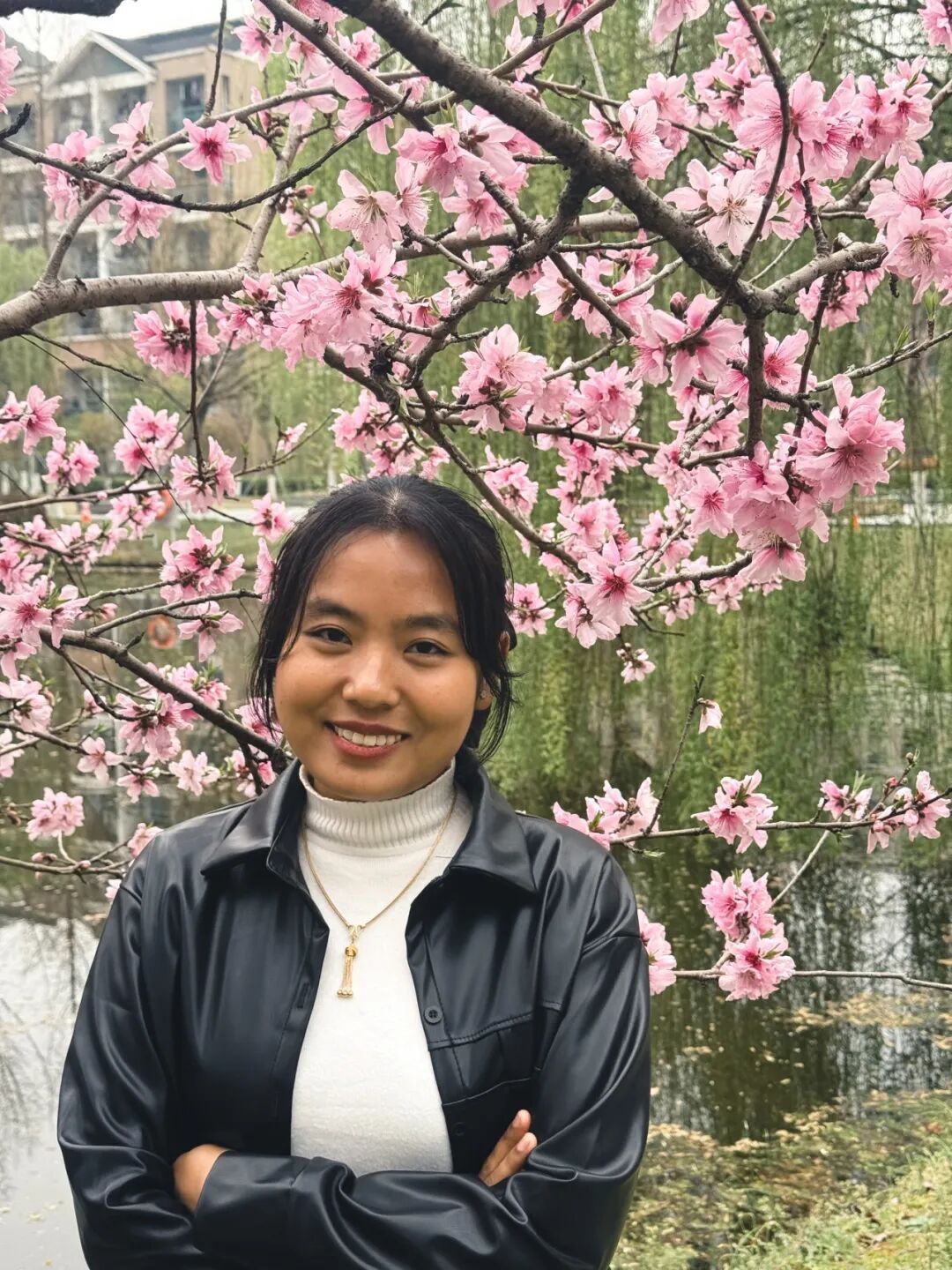
凤英,来自缅甸,目前就读于汉语语言与文化专业。
May Thukha, from Myanmar, is currently studying Chinese Language and Culture.
问:在缅甸,有什么特别的社交习惯或者礼貌用语吗?
凤英:在缅甸与人交往,礼貌是第一位的。首先,日常交流中有专门的礼貌用语,男女的使用方式不同,这和很多东南亚国家的语言习惯相似。尤其是在面对师长或长辈时,一定要使用尊称来表达敬意。其次,在社交分寸上,熟人之间虽然可以轻松互动,但绝对不可以做出伤害对方的举动。在缅甸文化中,尊重别人的身体和感受,和尊重对方的身份地位同样重要。另外,进入寺庙、佛堂时,必须脱掉鞋袜,以表示对佛祖的至高敬意。不仅是普通人,就连国家领导人也不例外。
Q: What are the special social customs or polite expressions in Myanmar?
May: In Myanmar, when interacting with people, politeness is of the utmost importance. Firstly, there are specific polite expressions used in daily communication, with different usage for men and women. This is similar to the language habits in many Southeast Asian countries. Especially when facing teachers or elders, one must use respectful titles to show respect. Secondly, in terms of social propriety, although close acquaintances can interact freely, they must never do anything that would hurt the other person. In Myanmar culture, respecting others' bodies and feelings is just as important as respecting their status. Additionally, when entering temples or Buddhist halls, one must remove shoes and socks to show the highest respect to the Buddha. This is not only for ordinary people, but also for national leaders.
问:听你的介绍,佛教在缅甸人的生活中非常重要,你能举例详细说说吗?
凤英: 缅甸是一个多宗教共存的国家,主流信仰包括佛教、基督教、印度教等,四大宗教都有各自的信众。不过毫无疑问,佛教的影响最为深远。在缅甸,几乎每家每户的东边都有一个高过头顶的小佛龛,每天清晨,主人都要用鲜花敬奉,早晚参拜,这是千百年流传下来的传统。每个信佛教家庭的男孩,都要在出家当一段时间和尚、过一段清修生活之后,才能还俗结婚。孩子们自小就会接触到佛教文化,在这样的氛围中潜移默化地成长。当然,佛教徒之间平时相处,不会刻意去探讨宗教相关的争议话题,彼此尊重是最为重要的。
Q: According to your introduction, Buddhism is very important in the lives of the Burmese people. Could you give some examples?
May: Myanmar is a country where multiple religions coexist. The main religions include Buddhism, Christianity, Hinduism, etc. All four religions have their own followers. However, undoubtedly, Buddhism has the most profound influence. In Myanmar, almost every household has a small Buddha shrine that is taller than the head, and every morning, the head of the household offers flowers and performs worship. They visit it in the morning and evening, which is a tradition that has been passed down for thousands of years. For every Buddhist family, boys have to become monks for a period of time and lead a secluded life before returning to their families and getting married. Children are exposed to Buddhist culture from a young age, and they grow up in such an environment. Of course, Buddhists do not deliberately discuss controversial religious topics with each other. Mutual respect is the most important thing.
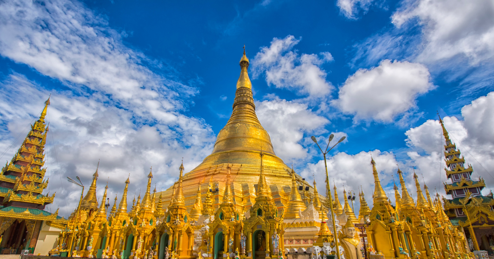
问:你刚才也给我们展示了很多关于佛塔的图片,所以这就是缅甸被誉为“万塔之国”的原因。
凤英: 是的,在缅甸佛教徒的观念里,建造佛塔、供养佛塔是一种无上的功德。佛塔不仅用来供奉佛陀的舍利、经卷或者圣物,更是一个地方的精神中心。人们相信,参与建塔、修塔或只是虔诚地绕塔而行,都能为自己和亲人积累善业,甚至庇佑来世。不只是古代国王,今天的普通缅甸人也会尽力捐钱修塔或建一座小佛塔。高峰时期,蒲甘平原上曾经矗立着四千多座佛塔和寺院。经历岁月和地震的洗礼,至今保存下来的仍有两千多座,其中上千座比较完整。就像我刚才说的一样,如果你对佛教建筑和历史文化感兴趣,蒲甘绝对是你不能错过的一站,站在伊洛瓦底江畔遥望万塔矗立的壮丽景象,会给你留下一生难忘的记忆。
Q: You also showed us many pictures of pagodas, so this is why Myanmar is called the "Land of a Thousand Pagodas".
May: Yes, in the Buddhist beliefs of the people in Myanmar, building and maintaining pagodas is considered an extremely great merit. Pagodas are not only used to house the relics, scriptures or sacred objects of the Buddha, but also serve as the spiritual center of a place. People believe that participating in the construction of pagodas, repairing them, or simply walking around them in a devout manner can accumulate good karma for oneself and one's family, and even ensure a good fate in the afterlife. Not only ancient kings, but also ordinary Burmese people today will do their best to donate money to build pagodas or build a small one. At its peak, there were over 4,000 pagodas and temples standing on the Pagan plain. After being washed by time and earthquakes, there are still over 2,000 left, of which more than a thousand are relatively intact. Just as I said, if you are interested in Buddhist architecture and history, Pagan is definitely a place you shouldn't miss. Standing by the Irrawaddy River and looking at the magnificent scene of thousands of pagodas standing there, it will leave you with unforgettable memories for a lifetime.
问:我记得你在分享中提到,你的家乡曼德勒也是佛教文化的中心地之一?
凤英: 没错。曼德勒是我的家乡,也是缅甸最后一个王朝的都城。缅甸最后一位国王曾生活在这里。站在曼德勒山顶眺望整座城市,你会发现寺庙、佛塔、湖泊错落有致,建筑与水景相映成趣。佛塔和佛像随处可见,缅甸的传统文化在这里可以得到最完整、最直观的体现。
Q: I remember you also mentioned that your hometown, Mandalay, is one of the centers of Buddhist culture?
May: Yes. Mandalay is my hometown and it was also the capital of the last dynasty in Myanmar. The last king of Myanmar once lived here. Standing on the top of Mandalay Hill and looking at the entire city, you will find the temples, pagodas, and lakes are neatly arranged, and the buildings and water features complement each other beautifully. Pagodas and Buddha statues can be seen everywhere. Here, Myanmar's traditional culture can be best represented in its most complete and intuitive form.
问:缅甸有哪些让人一吃难忘的特色美食?
凤英:缅甸的美食相当丰富多彩,但如果要推荐的话,首先一定是茶叶沙拉,这是缅甸最具代表性的传统名菜之一。它是用发酵茶芽与卷心菜、番茄片、坚果等食材混合,配以辣椒、蒜、鱼露等调料,形成苦、酸、辣、香、咸的多层次风味。缅甸人喝茶时常以此作佐食,发酵茶叶的独特香气是这道菜的灵魂所在。值得一提的是,在杭州就有一家正宗的缅甸餐馆。店主以前在缅甸生活和学习多年,所以他家的菜品既保留了地道的缅甸本土风味,又适当照顾了中国人的口味习惯,生意相当火爆!我强烈建议你去尝一尝这家店的茶叶沙拉,绝对会让你对缅甸菜有全新的认识。
Q: What are some unforgettable traditional delicacies in Myanmar?
May: The cuisine of Myanmar is quite diverse. But if I had to recommend one, it would definitely be the Lahpet Thoke. This is one of the most representative traditional dishes in Myanmar. It is made by mixing fermented tea leaves with cabbage, tomato slices, nuts, etc., along with chili, garlic, fish sauce, etc., to create a multi-layered flavor of bitterness, sourness, spiciness, fragrance, and saltiness. Myanmar people often use this as a side dish when drinking tea. The unique aroma of the fermented tea is the soul of this dish. It's worth mentioning that there is a genuine Myanmar restaurant in Hangzhou. The owner has lived and studied in Myanmar for many years, so his restaurant's dishes retain the authentic local flavor of Myanmar while also taking into account the taste preferences of Chinese people. It is very popular! I strongly recommend that you try the Lahpet Thoke at this restaurant. It will definitely give you a brand new understanding of Myanmar cuisine.
问:这看起来相当有特色,我想这道菜在你们的文化中,一定也有特别的地位和涵义吧?
凤英:当然!茶叶沙拉不仅仅是一道菜肴,它还是缅甸文化中重要的一部分。按照缅甸的传统,人们在家庭聚会、朋友来访、节庆仪式以及各种特殊场合,都会向客人奉上一盘茶叶沙拉。制作茶叶沙拉的过程本身就很有仪式感:用发酵后的茶叶芽配上卷心菜丝、番茄片、炸豆、坚果、蒜片、辣椒和一点点鱼露或芝麻油,所有食材分开放置在一个漆盘里,大家围坐在一起,自己动手拌匀。这种“一起动手、共同分享”的形式,天然就能拉近人与人的距离。这背后传递的寓意很丰富:热情好客、彼此尊重、以及深厚长久的友谊。你可以这样理解:在中国,主人给客人倒茶是基本礼数;在缅甸,主人端出茶叶沙拉,就等于在说“你是我珍视的朋友,欢迎来到我的世界”。
Q: It looks quite unique. I wonder if this dish must have a special status and meaning in your culture as well?
May: Of course! The Lahpet Thoke is not just a dish; it is also an important part of Burmese culture. According to Burmese tradition, people will serve a plate of Lahpet Thoke to guests during family gatherings, when friends visit, during festival ceremonies, and on various special occasions. The process of making the Lahpet Thoke itself has a very ritualistic feel: using fermented tea sprouts combined with shredded cabbage, tomato slices, fried beans, nuts, garlic slices, chili peppers, and a little fish sauce or sesame oil, all the ingredients are placed separately on a lacquered plate. Everyone sits around and mixes them together themselves. This "working together and sharing together" form naturally brings people closer to each other. The underlying meaning is very rich: hospitality, mutual respect, and deep and long-lasting friendship. You can understand it this way: In China, it is a basic courtesy for the host to pour tea for the guests; in Myanmar, when the host serves the Lahpet Thoke, it is equivalent to saying "You are my cherished friend, welcome to my world."
问:你刚才介绍了缅甸女性会在脸上涂上特纳卡,所以这也是你们的文化标记之一?
凤英:是呀,那是一种纯天然的草本护肤品,由黄香楝树的枝干加水研磨而成,不含任何化学添加剂。特纳卡兼具护肤和防晒功效,还能消炎、控油、滋润皮肤,帮助减少紫外线的伤害。这是缅甸人从小使用的传统护肤品,无论男女老少、大人小孩都会涂。孩子们涂抹的方式随性可爱,有些是一道圆圈,有些是一道竖线;而成年女性则会涂抹得更精致,样式美观大方,兼具护肤与装饰双重作用。即便到了中学,缅甸人依旧会保持涂抹特纳卡的习惯,因此,它已经成为了缅甸跨越族群和宗教的独特风俗。
Q: You just mentioned that Burmese women apply Thanaka on their faces. So is this also one of your cultural markers?
May: It's a pure natural herbal skin care product made by grinding the branches of the kusun tree with water. It contains no chemical additives. Thanaka has both skin care and sun protection effects. It can also reduce inflammation, control oil production, and moisturize the skin, helping to reduce the damage from ultraviolet rays. This is a traditional skin care product used by Burmese people since childhood. Both men and women, adults and children, all apply it. Children apply it in a casual and cute way. Some make a circle, some make a vertical line. Adult women apply it more delicately, with a beautiful and elegant style, having both skin care and decorative functions. Even in middle school and high school, Myanmar people still maintain the habit of applying Thanaka. Therefore, it has become a unique custom in Myanmar that transcends ethnic groups and religions.
问:我明白了。那现在让我们来聊聊泼水节吧,在缅甸,泼水节有什么美丽的寓意吗?
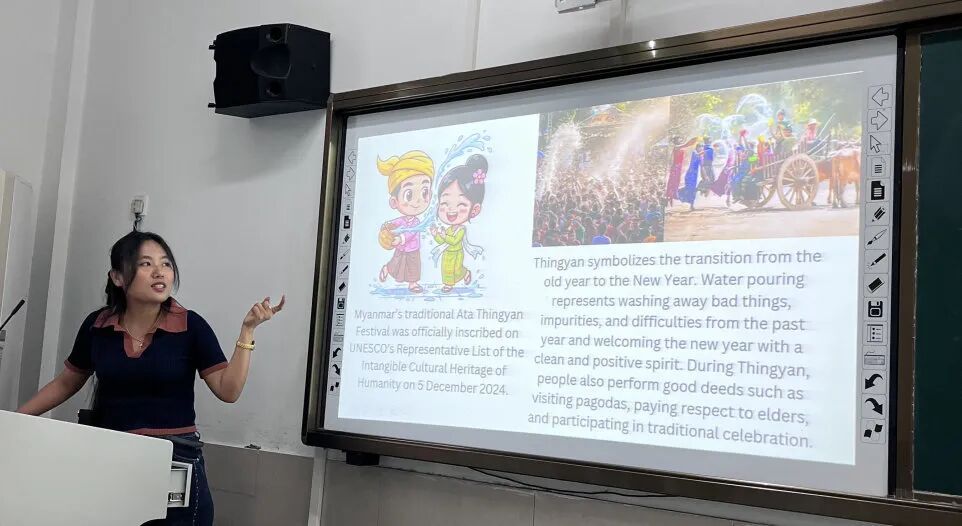
凤英:泼水节就是缅甸的传统新年,通常会持续4到5天。它不仅是缅甸最重要的传统节日,还被列入了世界非物质文化遗产,地位相当于中国的春节。节日的核心寓意,是用清水互相泼洒,洗去过去一年的不顺与污浊,祈求新一年的平安与健康。缅甸人相信,节日期间外出游玩,能够远离病痛、迎来好运。所以这几天的缅甸街头,到处都能看到水花四溅、欢声笑语的盛况,非常热闹。
Q: I see. Now let's talk about the Ata Thingyan Festival. In Myanmar, what are the beautiful meanings of the festival?
May: The Ata Thingyan Festival is Myanmar's traditional New Year, lasting for 4 to 5 days. It is not only the most important traditional festival in Myanmar, but also listed as a World Intangible Cultural Heritage. Its status is equivalent to the Spring Festival in China. The core meaning of the festival is to splash water on each other, washing away the misfortunes and impurities of the past year and praying for peace and health in the new year. Myanmar people believe that going out for fun during the festival can help them avoid illness and bring good luck. Therefore, on these days, the streets of Myanmar are filled with splashing water, joyful laughter, and a very lively scene, very bustling.
问:你能说一说,在缅甸泼水节期间,通常会有怎样有趣的习俗吗?
凤英:比如说,全民休假、商铺停业,几乎所有人都会放下工作,投身于节日的庆祝中。另外,泼水节期间,我们还会吃一种叫“蒙勒耶包”的特色点心,这是一种用香蕉叶包裹的特色甜点,外形有点像中国的粽子,馅料会加入红糖、芝麻等,再撒上椰丝,特别好吃。更有趣的是,人们会特意在部分点心里包上硬币或者辣椒:吃到硬币就寓意着好运将至,吃到辣椒则算一场友好的小玩笑。
Q: Could you please tell us about some interesting customs during the Ata Thingyan Festival?
May: For instance, it is seen as a national holiday, and shops are closed during that time. Almost everyone will stop working and get involved in the celebration of the festival. During this time, we also eat a special snack called "Mont Lone Yay Paw", which is a unique sweet dessert wrapped in banana leaves. Its shape is somewhat like Chinese zongzi, and the filling includes red sugar, sesame, etc., and is sprinkled with coconut shreds. It's extremely delicious. What's more interesting is that people deliberately put coins or chili peppers in some of the snacks: eating the coin means good luck is coming, and eating the chili is like a friendly little joke.
问:我注意到,你们在泼水庆贺节日的时候,一般都用木制的器物,或者水瓢,为什么不用更方便的塑料袋呢?
凤英:缅甸人泼水节期间几乎不使用一次性塑料袋,这是为了尽量不给环境造成污染。在缅甸的文化里,我们相信节日期间做好事、保护环境也是一种积累善业的方式,所以大家都会自觉减少垃圾。这一点也体现在一个叫“萨杜抵达”的活动中。在泼水节期间,民众自制食物,免费赠予路人、接济长者和穷人。街头随处可见免费取用的小吃摊,在节日期间,你基本上不需要自己花钱或者做饭。无论你是富人还是穷人,本地人还是外地游客,都可以坐下来随意取用,不需要问价格。这一刻你在别人家的摊位上吃着免费点心,下一刻你可能就端着自己做的食物站到街头,递给路过的陌生人。这种场景在其他节日里是很难看到的。
Q: I noticed that during the water-spraying celebrations of the festival, you usually use wooden utensils or water jugs. Why don't you use more convenient plastic bags?
May: During the Ata Thingyan Festival in Myanmar, we almost never use disposable plastic bags. This is to minimize pollution to the environment. In Myanmar's culture, we believe that doing good deeds and protecting the environment during the festival is also a way to accumulate good karma. So everyone will consciously reduce waste. This is also reflected in an activity called "Satuditha". During the festival, the public prepares food by themselves and gives it away for free to passers-by, helps the elderly and the poor. Street vendors selling free snacks can be seen everywhere. During the festival, you basically don't need to spend money or cook by yourself. Whether you are a rich person or a poor person, a local or a foreign tourist, you can sit down and freely take what you want, without asking for a price. At this moment, you are eating free snacks at someone else's stall, and the next moment you might be standing on the street, handing your own cooked food to a passer-by. Such a scene is rarely seen on other festivals.
问:听完你对泼水节的解读,我真的很受触动。原来一个节日的背后,可以同时承载信仰、平等、布施、环保这么多层价值。
凤英:谢谢主持人,也谢谢大家坐在这里听我说了这么多。只要你踏上缅甸土地,你会发现:路边卖槟榔的大姐会多送你一颗,寺庙里的和尚会为你留一碗斋饭,陌生人看见你迷路会放下自己的事带你走十分钟。这也就是我今天想分享给大家的:缅甸不是一个遥远的陌生国度,而是一个会用微笑和食物迎接你的邻居。谢谢大家,希望大家有机会可以来缅甸看一看,亲身感受缅甸的美丽与温度!
Xu Ziling: After hearing your interpretation, I was truly touched. It turns out that behind a single festival, there can be so many layers of values such as faith, equality, giving, and environmental protection.
May: Thank you, and thank you all for listening to me talk about so much. As soon as you step onto that land of Myanmar, you will find: the aunt selling betel nuts on the roadside will give you one more, the monks in the temple will leave you a bowl of vegetarian food, and strangers who see you lost will put aside their own matters and take you for a ten-minute walk. This is what I want to share with you today: Myanmar is not a distant and unfamiliar country, but a neighbor that welcomes you with a smile and food. Thank you all. I hope everyone has the opportunity to come and see Myanmar, and experience its beauty and warmth in person!