来自土耳其特拉布宗的Pınar在中国学习商务英语。她分享了两个国家独特的文化体验:在中国,无处不在的安全感与年轻人将汉服作为日常服饰的文化自信令她印象深刻;而在土耳其,家庭成员间通过“争吵”表达亲密;咖啡不仅是习惯更是疗愈方式。Pınar特别建议旅行者不要去土耳其旅游只关注伊斯坦布尔,也可以探访布尔萨、伊兹密尔等历史名城,感受古老建筑之美。她描绘了典型的土耳其休闲场景——即兴的野餐聚会、咖啡馆里的长谈、甜品搭配咖啡的轻社交,以及玩okey桌游的欢声笑语,展现出土耳其人热情好客又充满生活情趣的民族性格。
1. 马晴雨:你好!欢迎来到我们的活动。可以先向大家介绍一下你的名字和来自土耳其哪个城市吗?
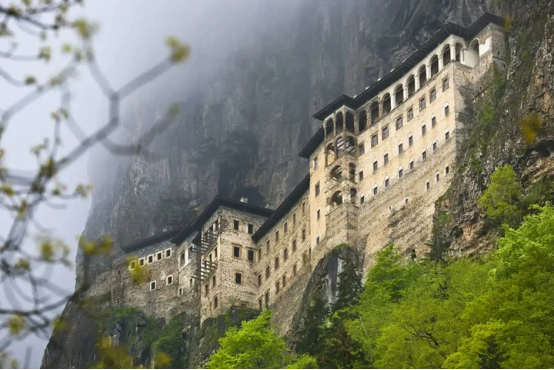
思纯:好的,我叫Pinar Gedikli,中文名叫思纯,来自土耳其的特拉布宗。这是一座黑海边的城市,相比于土耳其的其他城市,它不算很大,但很漂亮。
Ma Qingyu: Hello! Welcome to our event. Could you start by introducing your name and which city you're from in Turkey?
Pinar: Okay, my name is Pınar Gedikli, and I'm from Trabzon, Turkey. It's a city by the Black Sea. Compared to other cities in Turkey, it's not very big, but it’s quite beautiful.
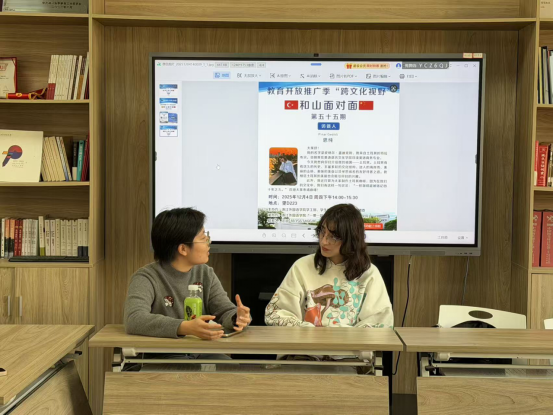
2. 马晴雨:你来中国多久了?你在我们学校学习什么?
思纯:我已经来到这里一年了,一开始我学习中文,然后现在我在英文学院攻读商务英语专业。
马晴雨:在来之前,你对中国的印象是什么?
思纯:老实说,土耳其人不怎么了解中国。所以当我要来中国时总是听到“中国太远了”“你不知道那里会发生什么”“你不会说中文怎么去中国”这样的话,其实这些话让我来中国之前有点害怕。但是当我真的来到了中国,我觉得这里可能比土耳其还要更让我舒适。
马晴雨:来到中国之后,你最深的印象是什么?
思纯:我觉得可能是安全。在我的家乡也很安全,但在土耳其并不总是这样。但是在中国,哪里都很安全,我可以去任何我想去的地方。
马晴雨:在中国你有感受到什么文化冲击过吗?比如使用我们的筷子?
思纯:不是使用筷子!其实我非常喜欢使用筷子。我在土耳其的时候就已经开始尝试使用筷子,哪怕我的妈妈非常不解。我觉得中国给我最大的文化冲击是汉服。它们是中国的传统服饰对吗?在土耳其我们不会穿着我们的传统服饰走在街上,但是在中国我看到很多年轻女孩把汉服当成日常服饰,穿着它出门。我觉得这是一件很好的事情,这意味着中国人热爱自己的文化,为它感到骄傲,从来不会忘记。
Ma Qingyu: How long have you been in China? What are you studying at our school?
Pinar: I've been here for a year now. At first, I studied Chinese, and now I'm majoring in Business English.
Ma Qingyu: What was your impression of China before coming here?
Pinar: To be honest, Turkish people don't know much about China. So before I came, I often heard things like, "China is so far away," "You never know what might happen there," or "How can you go to China if you don't speak Chinese?" These comments actually made me a bit nervous before arriving. But when I finally came to China, I felt it might even be more comfortable here than in Turkey.
Ma Qingyu: What has been your strongest impression since coming to China?
Pinar: I think it might be safety. My hometown is also safe, but that's not always the case everywhere in Turkey. In China, everywhere feels safe, and I can go wherever I want.
Ma Qingyu: Have you experienced any culture shock in China? For example, using chopsticks?
Pinar: Not chopsticks! Actually, I really enjoy using chopsticks. I even started practicing with them back in Turkey, much to my mother's confusion. I think the biggest culture shock for me has been Hanfu. Those are traditional Chinese clothes, right? In Turkey, we don't wear our traditional clothes on the street, but in China, I see many young girls wearing Hanfu as everyday outfits and going out in them. I think that's a wonderful thing. It means Chinese people love their culture, take pride in it, and never forget it.
3. 马晴雨:当你想家的时候,你最想念土耳其的什么?
思纯:食物!我也很喜欢中国的食物,但是在土耳其,我们不会在做菜时放很多调味品。我们的菜肴很简单,因为我们喜欢把食材分开,而且不会在在一道菜里放很多东西。但是中国菜,比如说一道鱼,油、辣椒,你会在嘴里感觉到很多东西。有时候这对我们来说口味有点重。但是别误会,我真的很喜欢中国菜。只是有时这会让我很想念我家乡的食物。
马晴雨:在中国,我们有八大菜系。因为每个地区的人口味不一样,所以每个菜系都有自己的特色。
思纯:我知道这个。在土耳其也是这样。比如我住在黑海边,所以我们经常吃鱼和蔬菜。但是在这里,当我和中国朋友一起吃饭时,他们总是让我多尝尝肉。但其实在我家那边我们不怎么吃肉。住在土耳其内陆地区的人吃肉比较多。比如当你去伊斯坦布尔附近,他们吃的东西和我们也有很大差别。
马晴雨:你说今天会给我们做一些土耳其咖啡,土耳其咖啡世界闻名,它和普通咖啡有什么不同?
思纯:在土耳其,如果你头疼或者哪里不舒服,你可以喝一杯咖啡。和美式这样的咖啡不同,我们不在咖啡里放其它东西,就只是咖啡。
Ma Qingyu: When you miss home, what do you miss the most about Turkey?
Pinar: Food! I really enjoy Chinese food too, but in Turkey, we don't use many spices in our cooking. Our dishes are simple because we prefer to separate ingredients and avoid putting too many things in one dish. But with Chinese food, like a fish dish, you can taste so many flavors in your mouth—oil, chili, and more. Sometimes, it feels a bit heavy for us. But don’t get me wrong, I really love Chinese food. It's just that sometimes it makes me miss my hometown food.
Ma Qingyu: In China, we have eight major cuisines. Because people in different regions have different tastes, each cuisine has its own unique characteristics.
Pinar: I know about that. It's similar in Turkey too. For example, since I live by the Black Sea, we often eat fish and vegetables. But here, when I eat with Chinese friends, they always encourage me to eat more meat. However, in my hometown, we don't eat much meat. People in inland Turkey eat more meat. For instance, when you go near Istanbul, the food there is quite different from what we eat.
Ma Qingyu: You mentioned you'd make some Turkish coffee for us today. Turkish coffee is world-famous. How is it different from regular coffee?
Pinar: In Turkey, if you have a headache or feel unwell, you can drink a cup of coffee. Unlike coffee such as Americano, we don't add anything to our coffee—it's just pure coffee.
4. 马晴雨:能聊聊家庭在你生活中的角色吗?
思纯:在家里我们经常吵架,但同时我们也非常爱彼此。我觉得亚洲人的家庭不怎么吵架,但是在土耳其我们经常吵架。如果我和我妈妈有一天没有吵架,我甚至会问问她怎么了怎么今天我们这么安静。
马晴雨:听起来这样的吵架也是一种土耳其人表达爱和关心的方式。
思纯:是的。这样的吵架也会帮助我们解决相处中出现的问题。在土耳其我们有这样一句话,“兄弟打架,但随后他们又会拥抱彼此”。对我们自己也是这样,我们有时会怨恨自己,但是我们也爱自己。
马晴雨:土耳其横跨欧亚大陆,这种独特的地理位置如何影响了人们的思维方式?
思纯:我的家乡处于土耳其在亚洲的这一部分,伊斯坦布尔则是在欧洲的那一部分。我觉得在欧洲那部分的土耳其人思想更加开放,他们想做什么就做什么。在亚洲这部分的人则更加遵守规则秩序,你想做什么事情,需要先得到允许。这里的家庭也更为保守。
Ma Qingyu: Could you talk about the role family plays in your life?
Pinar: At home, we often argue, but at the same time, we love each other deeply. I think families in Asia don’t argue as much, but in Turkey, we argue quite frequently. If my mom and I go a day without arguing, I’ll even ask her if something’s wrong, why are we so quiet today?
Ma Qingyu: It sounds like arguing is also a Turkish way of expressing love and care.
Pinar: Yes, and these arguments also help us work through issues in our relationships. In Turkey, we have a saying: “Brothers fight, but then they hug each other.” It’s the same with ourselves—sometimes we may be hard on ourselves, but we still love who we are.
Ma Qingyu: Turkey straddles both Europe and Asia. How does this unique geographical position influence people’s way of thinking?
Pinar: My hometown is in the Asian part of Turkey, while Istanbul is on the European side. I think people in the European part tend to be more open-minded and do what they want, while those in the Asian part are more rule-abiding—you often need permission before doing something. Families here are also more conservative.
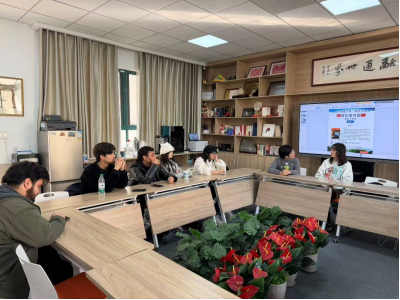
5. 马晴雨:土耳其人热情好客世界闻名。有没有什么特别的待客礼仪或习俗是外国人应该知道的?
思纯:来土耳其旅游并不是很贵,所以很欢迎大家去我的国家旅游。礼仪的话,在土耳其,如果你弄脏了什么地方,一定要清理干净,因为土耳其人很喜欢整洁,比如我在家里每天都要打扫卫生。
马晴雨:对于想了解更多土耳其文化或计划去旅行的人,你有什么建议?如果邀请中国朋友去你家做客,你最想带他/她体验什么?
思纯:我希望大家不要只关注伊斯坦布尔和安塔利亚,也去看看土耳其的其它城市。这当然是一个很棒的旅游城市,但是我们国家还有很多漂亮的城市,比如布尔萨、伊兹密尔等等。如果我的朋友来土耳其,我想带他们看看一些历史悠久的城市,有一些古老但很精美的建筑。
Ma Qingyu: Turkish hospitality is world-famous. Are there any particular etiquette rules or customs that visitors should know?
Pinar: Traveling to Turkey isn’t very expensive, so everyone is welcome to visit my country. As for etiquette, if you make a mess somewhere, be sure to clean it up—Turkish people really value cleanliness. For example, I clean my house every day.
Ma Qingyu: For those who want to learn more about Turkish culture or plan to travel there, what suggestions do you have? If you invited a Chinese friend to your home, what would you most want them to experience?
Pinar: I hope people won’t only focus on Istanbul and Antalya—there are many other beautiful cities in Turkey, like Bursa and İzmir. If my friends come to Turkey, I’d love to take them to see historical cities with ancient yet exquisite architecture.

6. 马晴雨:在土耳其,年轻人都喜欢去哪里消遣?有什么流行的活动?
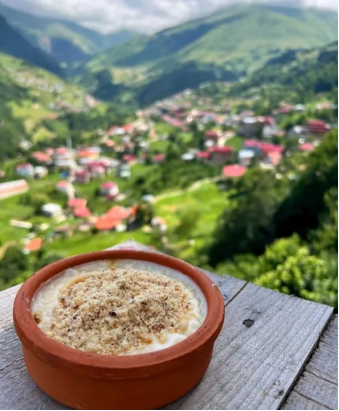
思纯:好问题。在土耳其,我们经常心血来潮去野餐,或者去咖啡馆,和朋友喝着咖啡聊聊天。但是在中国,我很少看到人们在咖啡馆闲聊,而是会一起去吃晚饭。比如当我的中国朋友邀请我出去玩,可能有些什么活动,但总是会包括一起吃饭。“我们出去玩吧!”“去哪里?”“去吃火锅。” 在土耳其这并不常见,因为我们更喜欢在家里吃饭。如果我们出去吃东西,可能只是去吃一些巴克拉瓦这样的甜品或者喝杯咖啡,而不是吃一顿饭。我们还会去打保龄球,玩ok,一种在土耳其很流行的桌游,有机会我们可以一起玩。
Ma Qingyu: Where do young people in Turkey like to hang out? What are some popular activities?
Pinar: Good question. In Turkey, we often go on spontaneous picnics or visit cafés to chat over coffee with friends. But in China, I rarely see people just chatting in cafés—instead, they go out for dinner together. For example, when my Chinese friends invite me out, there’s often an activity involved, but it always includes eating. “Let’s hang out!” “Where?” “Let’s get hotpot.” That’s not as common in Turkey because we prefer eating at home. If we go out for food, it might just be for desserts like baklava or a cup of coffee, not a full meal. We also go bowling or play okey, a popular board game in Turkey—we should play together sometime!
马晴雨:好呀!时间过得真快,今天的分享到这里就要结束啦!非常感谢思纯同学给我们带来关于土耳其的精彩介绍,也耐心细致地回答了这么多提问,这下对土耳其不只是“听说过”,简直是“种草了”!也祝愿你吃好、玩好、学业顺利,天天开心!
思纯:谢谢大家!和你们聊天真的很开心!
Ma Qingyu: Great! Wow, time flies! Our sharing session is coming to an end. Thank you so much, Sıchun, for such a wonderful introduction to Turkey and for patiently answering so many questions. Now we don’t just “know about” Turkey—we’re totally intrigued by it! Wishing you delicious food, fun times, smooth studies, and happiness every day!
Pinar: Thank you, everyone! It was really a pleasure talking with you all!